
.34.png)
The history of Motown Records is the story of Berry Gordy Jr., who borrowed $800 from his family in 1959 and built it into the most successful Black-owned business in America. Operating out of a converted house at 2648 West Grand Boulevard in Detroit, Motown produced over 110 Top Ten hits between 1961 and 1971, broke racial barriers in American pop culture, and created a sound that still defines Detroit's identity today.
Before Berry Gordy Jr. became the architect of a musical revolution, he was a high school dropout chasing dreams that kept slipping away. A failed boxer. A failed record store owner. An assembly line worker at a Ford plant, installing chrome and upholstery while music played in his head.
Then he borrowed $800 from his family, rented a house on West Grand Boulevard, and changed American culture forever.
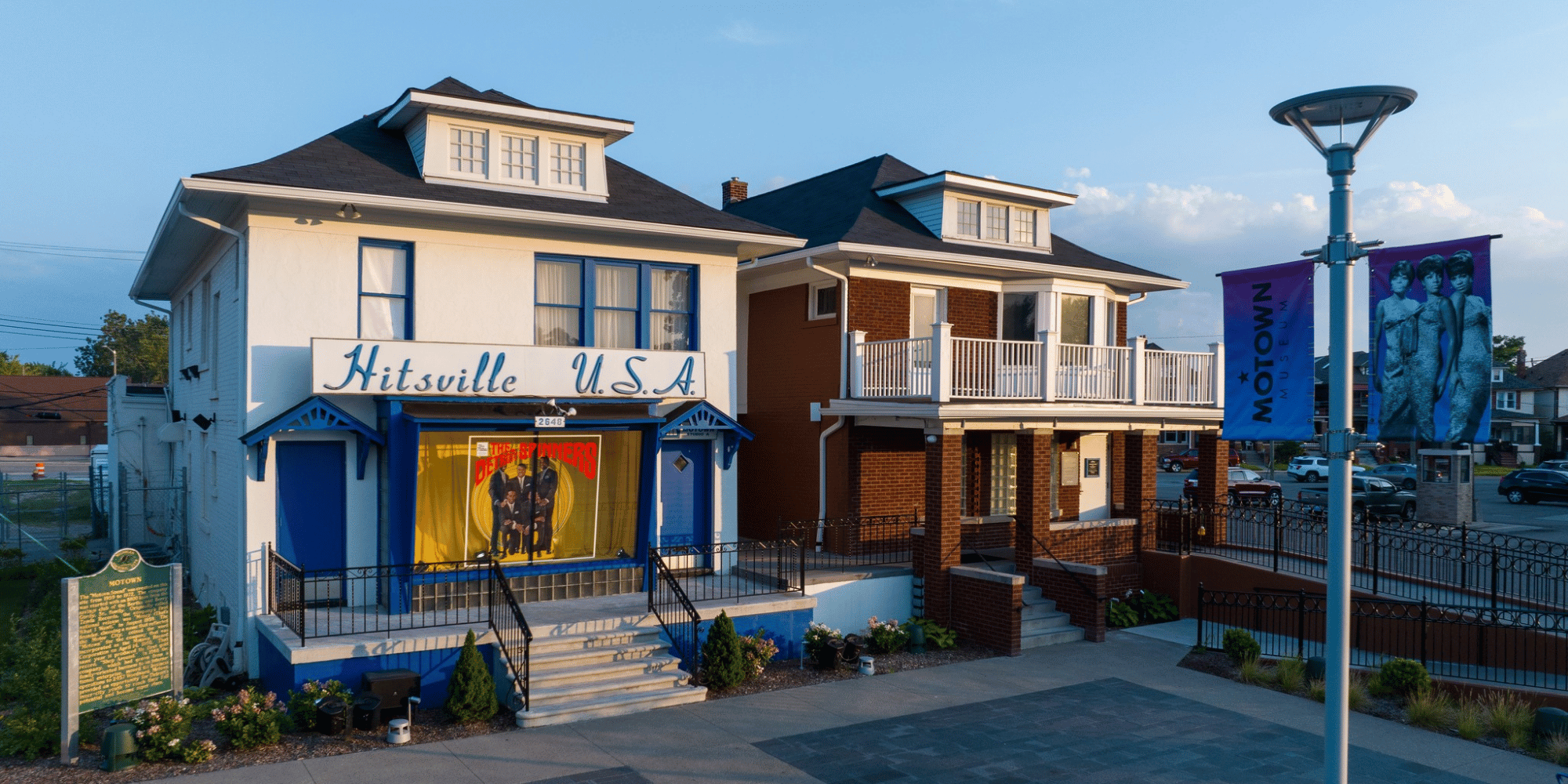
The history of Motown Records is one of the most remarkable stories in American music. It is also, at its core, a Detroit story. A story about ambition, family, genius, racial progress, and what happens when raw talent meets relentless efficiency on a single city block. And more than sixty years later, that story is still being told at 2648 West Grand Boulevard, where the sign still reads HITSVILLE U.S.A.
 Motown Museum, Facebook
How Did Berry Gordy Start Motown Records?
Berry Gordy Jr. founded Motown Records on January 12, 1959, using an $800 loan from his family's cooperative savings fund. He incorporated the Motown Record Corporation on April 14, 1960, and built it into a powerhouse by applying Ford assembly line principles to music production.
Berry Gordy Jr. was born on November 28, 1929, in Detroit. He was the seventh of eight children. His parents, Berry Sr. and Bertha Fuller Gordy, had migrated north from Sandersville in Washington County, Georgia, in 1922, part of the Great Migration that brought millions of Black Americans to northern cities. Berry Sr.'s store in Georgia had become so profitable that he feared for his family's safety after threats from local whites. Detroit offered something better.
The Gordys thrived. Berry Sr. established a Booker T. Washington grocery store and built a successful plastering and construction business. Bertha co-founded the Friendship Mutual Life Insurance Company. The eldest daughter, Esther, helped start a printing company and created the family's cooperative savings fund, the Ber-Berry Co-Op, which would eventually change the course of American music.
Young Berry dropped out of Northeastern High School to become a featherweight boxer. That career ended. He served in the Army during the Korean War from 1951 to 1953. When he came home, he opened a jazz record store called the 3-D Record Mart. His love of jazz outpaced his customers' taste for rhythm and blues, and the store went bankrupt within two years.
By 1955, Gordy found himself on the assembly line at Ford's Lincoln-Mercury plant. The work was monotonous, but he paid attention. He watched how a bare chassis entered one end and emerged as a finished automobile, each station adding one component, quality-checked at every step. The efficiency fascinated him.
Gordy began writing songs. In 1957, local singer Jackie Wilson recorded one of them, "Reet Petite." More hits followed: "Lonely Teardrops" and "To Be Loved." But the royalty checks were small. Gordy realized the real money belonged to people who owned the record company.
With encouragement from a teenage singer named William "Smokey" Robinson, Gordy stood before his family on January 12, 1959, and asked to borrow $800 from the Ber-Berry Co-Op (roughly $8,800 in today's dollars). The family debated and approved the loan.
He originally wanted to call the label Tammy Records, after the Debbie Reynolds song. The name was taken. He settled on Tamla instead. The first release, "Come to Me" by Marv Johnson, cracked the Top 30.
Another young man who migrated from Alabama to Detroit's Black Bottom neighborhood would become the most famous fighter in the world. Read the full story of Joe Louis the Brown Bomber


What Was Hitsville U.S.A. and How Did It Work?
Hitsville U.S.A. was the nickname for Motown's headquarters at 2648 West Grand Boulevard in Detroit. Berry Gordy purchased the two-story house (a former photography studio) in mid-1959 for $300 down on a $23,000 total price. He converted the ground floor into a recording studio and offices, moved his family upstairs, and operated Studio A nearly 22 hours a day.
On April 14, 1960, Gordy incorporated the Motown Record Corporation. The name was a portmanteau of "Motor" and "Town," an homage to Detroit's identity as the car capital of America. But the connection to the auto industry ran deeper than a clever name.
Gordy modeled his company on Ford's assembly line. At Hitsville, every function had its station. Songwriters crafted material in dedicated rooms. Musicians laid down tracks in Studio A (a cramped basement space the players called "the snake pit"). Producers shaped the sound in the control booth. And upstairs in the Artist Development department, young performers learned poise, etiquette, choreography, and stage presence from professional instructors.
Every Friday morning, Gordy convened a Quality Control meeting. New recordings were played, and everyone voted. Not just producers and executives, but secretaries, janitors, anyone in the building. Gordy believed that if a song could not move an ordinary person, it would not move the public.
The process worked fast. By 1960, Barrett Strong's "Money (That's What I Want)" became a genuine hit. That same year, Smokey Robinson and the Miracles recorded "Shop Around," which sold over a million copies and became Motown's first gold record. In 1961, the Marvelettes delivered "Please Mr. Postman," Motown's first number one on the Billboard Hot 100.
By 1966, Motown was generating $20 million in annual revenue. It was the largest Black-owned business in America.
What Made the Motown Sound Different from Everything Else?
The Motown sound blended traditional Black gospel harmonies with rhythm and blues energy and mainstream pop sensibility. Berry Gordy called it "The Sound of Young America," and it was deliberately designed to cross racial lines on radio, reaching all young listeners regardless of background.
Several elements made the sound distinctive. The tambourine (a gospel church holdover) drove the rhythm. An improvised "echo chamber," created by broadcasting music through a hole in the ceiling into the attic, added reverb. Innovative bass lines, multiple drummers and guitarists on single tracks, and meticulous production polished every recording.
Gordy understood that in the early 1960s, Black artists were largely confined to R&B charts. Radio stations were divided by race. So he made a calculated decision: early Motown album covers often did not show the artists' faces. Listeners could not tell if they were Black or white. All they knew was whether they liked the music.
They liked the music. Gordy's slogan, "The Sound of Young America," was strategic and prophetic.
But beneath every hit, driving everything, was something most listeners never knew existed.
 Classic Motown, Facebook
Who Were the Funk Brothers and Why Does It Matter That They Were Forgotten?
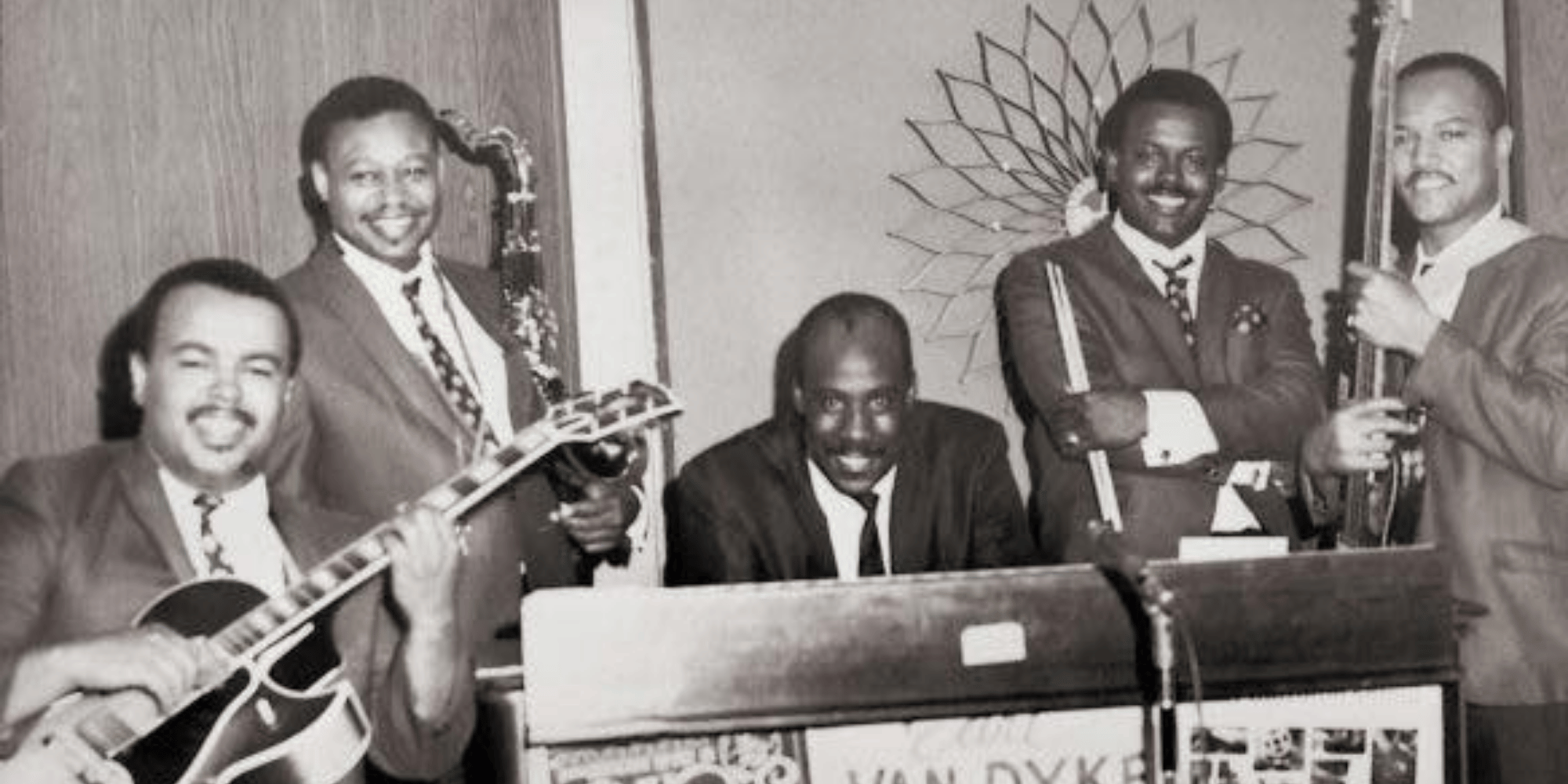
The Funk Brothers were Motown's house band from 1959 to 1972. They played on more number one hits than the Beatles, Elvis Presley, the Beach Boys, and the Rolling Stones combined, yet their names never appeared on a single album cover until Marvin Gaye's What's Going On in 1971. They received the Grammy Lifetime Achievement Award in 2004.
James Jamerson was the bassist, widely considered the heartbeat of the Motown sound. Nicknamed "Igor," he played with a single finger on his right hand, creating bass lines so inventive that musicians still study them today. When Marvin Gaye needed him for the What's Going On session, legend has it Jamerson was too intoxicated to stand. He reportedly played the entire track lying flat on his back.
Benny "Papa Zita" Benjamin, originally from Birmingham, Alabama, was Motown's first drummer and the creator of the signature Motown drumbeat. Earl Van Dyke led the band from the keyboards after joining in 1963 following tours with Aretha Franklin and Lloyd Price. The roster ran deep: guitarists Robert White, Joe Messina, and Eddie "Chank" Willis. Keyboardists Joe Hunter and Johnny Griffith. Drummers Uriel Jones and Richard "Pistol" Allen. Jack Ashford on tambourine. Eddie "Bongo" Brown on congas. Bassist Bob Babbitt, who joined in 1967.
These musicians came from Detroit's vibrant jazz scene. By night, they played clubs like the Flame Show Bar and the Twenty Grand. By day, they crowded into Studio A and created magic. And nobody outside the building knew their names.
Gordy kept them anonymous and paid them session fees, not royalties. When Motown moved to Los Angeles in 1972, some of the Funk Brothers discovered the news from a note taped to the studio door. There was no reschedule. Their era was over.
Jamerson died in 1983, struggling with alcoholism, largely forgotten. Benjamin died of a stroke in 1969 at age 43. A 2002 documentary, Standing in the Shadows of Motown, finally told their story. The soundtrack won two Grammys. In February 2004, surviving members received the Grammy Lifetime Achievement Award.
For some, it came too late. Richard "Pistol" Allen and Johnny Griffith both passed away within months of the film's release, never fully experiencing the recognition they had earned.
The neighborhoods that shaped Motown's artists still define Detroit today. Explore Detroit's communities and districts to see how areas like New Center, the North End, and Boston-Edison connect the city's past to its present

How Did Motown Help Break Racial Barriers in America?
Motown was the first major Black-owned record company to achieve massive crossover success with white audiences. Its artists appeared regularly on mainstream television, its music integrated radio playlists, and its recordings of Martin Luther King Jr.'s speeches helped amplify the civil rights movement.
The Supremes (Diana Ross, Mary Wilson, and Florence Ballard) became one of the first Black acts to appear regularly on mainstream television. They made numerous appearances on The Ed Sullivan Show between 1964 and 1969 (sources vary between 14 and 20 total appearances, depending on how lineups and rebillings are counted). They performed in living rooms across America, Black and white alike.
The Temptations delivered smooth harmonies and synchronized choreography. The Four Tops brought raw emotion. Marvin Gaye made you feel. Stevie Wonder, signed at age eleven and billed as "Little Stevie Wonder," made you believe in prodigies. Smokey Robinson, Motown's vice president and star songwriter, penned hit after hit. (Bob Dylan famously called Robinson "America's greatest living poet," though the origin of that quote has been debated for decades.) The Holland-Dozier-Holland songwriting team created a catalog that defined an era.
From 1961 to 1971, Motown placed 110 songs in the Billboard Top Ten. In 1968, the label held five records in the pop Top Ten simultaneously, including the top three spots for a full month.
The connection to civil rights ran deeper than chart success. Motown negotiated the right to record Martin Luther King Jr.'s speeches. On June 23, 1963, two months before the March on Washington, Berry Gordy's team recorded King delivering an early version of what would become the famous "I Have a Dream" speech at Detroit's Walk to Freedom. An estimated 125,000 people had marched down Woodward Avenue to Cobo Hall, where King addressed a crowd of 14,000. The album, The Great March to Freedom, was released on the Gordy label in August 1963. Motown also recorded the March on Washington speech and later launched the Black Forum imprint, releasing recordings by Langston Hughes, Stokely Carmichael, and Amiri Baraka.
As Abdul "Duke" Fakir of the Four Tops once said: "We looked at Martin Luther King and we thought, he's doing the same thing on foot that we're doing on the radio."
Those considering a move to Metro Detroit often discover that this civil rights and cultural history is woven into the fabric of neighborhoods across the region. From the Boston-Edison Historic District (where Gordy once lived in a 1917 Italianate mansion) to the New Center area surrounding the Motown Museum, Detroit's musical legacy shapes the character of the communities The Perna Team helps families call home every day.
Why Did Motown Leave Detroit and What Was Lost?
Berry Gordy gradually shifted Motown operations to Los Angeles between 1969 and 1972, announcing the complete move on June 14, 1972. He wanted to expand into motion pictures and television. Many fans and industry observers believe the creative magic that made Motown special was tied to Detroit and could not be replicated in California.
The cracks started in 1967. Detroit erupted in six days of civil unrest following a police raid, leaving 43 dead. Motown received threatening phone calls. That same year, the Holland-Dozier-Holland songwriting team departed in a bitter royalty dispute, taking the label's most reliable hit-making engine with them.
By 1969, Motown had opened branch offices in Los Angeles. The Jackson 5, Motown's newest sensation, recorded all their hits in L.A. On June 14, 1972, the company made it official: all operations would relocate to Los Angeles.
The L.A. years produced hits and successful films (including Lady Sings the Blues in 1972, Mahogany in 1975, and The Wiz in 1978). But the consensus among many who were there is that something essential was lost.
In 1988, Berry Gordy sold Motown to MCA Records and Boston Ventures for $61 million. The company that had begun with an $800 family loan changed hands for a sum that would have seemed impossible thirty years earlier. MCA sold to PolyGram in 1993, and Universal Music Group acquired PolyGram in 1998. The name survived. The catalog endured. But the family was scattered.
 Motown Museum, Facebook
What Is the Motown Museum and What Can You Experience There?
The Motown Museum was founded in 1985 by Esther Gordy Edwards (Berry Gordy's eldest sister) inside the original Hitsville U.S.A. building at 2648 West Grand Boulevard in Detroit. A $75 million expansion is currently underway, with the full "Motown Experience" campus expected to open in late 2026 or spring 2027.
After Motown moved to L.A., Esther Gordy Edwards remained behind to maintain a Detroit office. People kept knocking on the door, wanting to see where the music happened. She gave tours. She showed visitors Studio A. And slowly, she realized something.
"Berry," she told her brother, "I think we made history and didn't know it."
She founded the Motown Museum in 1985. The State of Michigan declared Hitsville U.S.A. a Historic Site in 1987. The stretch of West Grand Boulevard was given the secondary name Berry Gordy, Jr. Boulevard in 2007. By the time of Esther Gordy Edwards' death on August 24, 2011, more than a million people had walked through those doors.
Today, the museum is undergoing a transformative $75 million expansion led by Robin Terry, Edwards' granddaughter, who serves as Chairwoman of the Board of Trustees. (Dr. Kenya LeNoir Messer was appointed CEO in November 2025 following a national search.) The expansion includes Hitsville NEXT, an educational center and creative hub. Phases one and two (renovated homes around Hitsville and a new outdoor plaza) were completed in 2022. The Esther Gordy Edwards Centre for Excellence was unveiled in April 2025. Construction on the third and final phase, a nearly 40,000-square-foot new building, began in September 2024.
Important for visitors planning a trip: As of January 20, 2026, guided tours at Hitsville U.S.A. have been paused to accommodate construction on the final expansion phase. The front plaza and retail areas remain accessible. The expanded Motown Experience is expected to reopen in late 2026 or spring 2027. When complete, the campus will feature immersive and interactive exhibits, a performance theater (the Ford Motor Company Theater), professional recording studios, expanded retail, and a cafe.
The museum typically welcomes about 100,000 visitors each year and remains one of Michigan's top cultural destinations. For anyone exploring Metro Detroit's neighborhoods or considering a move to the region, the Motown Museum and the surrounding New Center area offer a living connection to the city's most celebrated cultural legacy.
What Is Motown's Legacy in Detroit Today?
Motown's legacy in Detroit extends far beyond music. It shaped the city's identity, influenced its neighborhoods, and continues to drive cultural tourism. Berry Gordy Jr. turned 96 in November 2025 and lived to see his creation honored on Broadway (Motown: The Musical premiered in 2013), preserved in museums, and woven permanently into the fabric of American culture.
The Supremes. The Temptations. The Four Tops. Marvin Gaye. Stevie Wonder. Smokey Robinson. The Jackson 5. Martha Reeves (who later served as a Detroit city councilwoman). Their voices never stopped playing.
And beneath those voices, always, were the Funk Brothers. The bass lines. The drum fills. The tambourine shimmer. The ghost notes that made you move before you knew why.
Motown left Detroit in 1972. But at 2648 West Grand Boulevard, the sign still hangs: HITSVILLE U.S.A. Studio A still stands. The worn spot on the control room floor, where Berry Gordy tapped his foot to every playback, has never been repaired.
The music never left.
Motown is just one chapter in a city full of stories most people never hear. Explore 10 fascinating facts that make Detroit unlike any other U.S. city
Key Takeaways
- Berry Gordy Jr. founded Motown Records on January 12, 1959, with an $800 loan from his family's cooperative savings fund, modeling his company on Ford's assembly line principles.
- Hitsville U.S.A. at 2648 West Grand Boulevard operated nearly 22 hours a day and produced over 110 Top Ten hits between 1961 and 1971.
- The Funk Brothers, Motown's uncredited house band, played on more number one records than the Beatles, Elvis, the Beach Boys, and the Rolling Stones combined.
- Motown broke racial barriers by becoming the first major Black-owned label to achieve massive crossover success, with artists appearing regularly on mainstream television.
- Motown recorded Martin Luther King Jr.'s early "I Have a Dream" speech in Detroit on June 23, 1963, two months before the March on Washington.
- The Motown Museum, founded in 1985, is undergoing a $75 million expansion expected to reopen as the full Motown Experience in late 2026 or spring 2027.
- Berry Gordy sold Motown to MCA Records and Boston Ventures for $61 million in 1988. It is now owned by Universal Music Group.
People Also Ask
Who founded Motown Records and when?
Berry Gordy Jr. founded Motown Records (originally Tamla Records) on January 12, 1959, in Detroit, Michigan. He used an $800 loan from his family's Ber-Berry Co-Op savings fund. The Motown Record Corporation was officially incorporated on April 14, 1960.
Where was the original Motown recording studio located?
The original Motown recording studio, known as Hitsville U.S.A., was located at 2648 West Grand Boulevard in Detroit's New Center area. Berry Gordy purchased the two-story house (a former photography studio) in mid-1959 and converted the ground floor into a recording studio. The building is now home to the Motown Museum.
What was Motown's first number one hit?
Motown's first number one hit on the Billboard Hot 100 was "Please Mr. Postman" by the Marvelettes in 1961. The label's first million-selling record was "Shop Around" by Smokey Robinson and the Miracles in 1960.
Who were the Funk Brothers and why weren't they famous?
The Funk Brothers were Motown's house band from 1959 to 1972. They played on more number one hits than the Beatles, Elvis Presley, the Beach Boys, and the Rolling Stones combined, yet were never credited on any album until Marvin Gaye's What's Going On in 1971. Berry Gordy kept them anonymous for contractual and business reasons.
Why did Motown Records move from Detroit to Los Angeles?
Berry Gordy gradually relocated Motown to Los Angeles between 1969 and 1972 to expand into film and television production. The move was officially announced on June 14, 1972. Contributing factors included the 1967 Detroit riots, the departure of songwriters Holland-Dozier-Holland, and Hollywood's appeal for Gordy's broader entertainment ambitions.
Is the Motown Museum open right now in 2026?
As of January 20, 2026, guided tours at the Motown Museum have been paused to accommodate the final phase of a $75 million expansion. The front plaza and retail areas remain accessible. The expanded museum campus, known as the Motown Experience, is expected to reopen in late 2026 or spring 2027.
What connection did Motown have to the civil rights movement?
Motown integrated American pop culture by placing Black artists on mainstream radio and television. The label also recorded Martin Luther King Jr.'s speeches, including his June 1963 Detroit address that previewed the "I Have a Dream" refrain. Motown's Black Forum imprint released spoken word albums by civil rights leaders. The music itself served as a unifying force during a deeply segregated era.
How much did Berry Gordy sell Motown Records for?
Berry Gordy sold Motown to MCA Records and Boston Ventures in 1988 for $61 million, retaining the Jobete music publishing catalog. PolyGram purchased Motown from MCA in 1993. Universal Music Group acquired PolyGram in 1998. Motown now operates under the Capitol Music Group division of Universal.
What is the Motown Museum expansion project?
The Motown Museum is undergoing a multi-phase, $75 million expansion. Phases one and two (Hitsville NEXT educational hub, renovated homes, and outdoor plaza) were completed in 2022. Phase three, a nearly 40,000-square-foot new building with immersive exhibits, performance theater, recording studios, and expanded retail, began construction in September 2024.
Is Berry Gordy still alive?
Yes. Berry Gordy Jr. turned 96 years old on November 28, 2025. The man who borrowed $800 from his family in 1959 lived to see his creation honored on Broadway, preserved in museums, and recognized as one of the most significant cultural achievements of the 20th century.
Did Motown record Martin Luther King Jr.'s "I Have a Dream" speech?
Motown recorded an early version of King's "I Have a Dream" speech at Detroit's Walk to Freedom on June 23, 1963, two months before the March on Washington. The album, The Great March to Freedom, was released on the Gordy label. Motown also recorded the August 1963 March on Washington speech and later released it on the same imprint.
Exploring Metro Detroit's neighborhoods means encountering this cultural legacy around every corner. Whether it is the historic homes in Boston-Edison, the revitalized streets of the New Center area, or the communities that shaped the artists who changed American music, Detroit's story is inseparable from Motown's story. For families considering a move to the region, The Perna Team has spent over 24 years helping people find their place in Metro Detroit. Reach out at (248) 886-4450 or visit thepernateam.com to start the conversation.
DON'T KEEP US A SECRET - SHARE WITH A FRIEND OR TO SOCIAL MEDIA!


THINKING OF MOVING TO Metro Detroit, OR LOOKING TO RELOCATE IN THE AREA? VIEW A LIST OF CURRENT HOMES FOR SALE BELOW.
Metro Detroit Homes for Sale



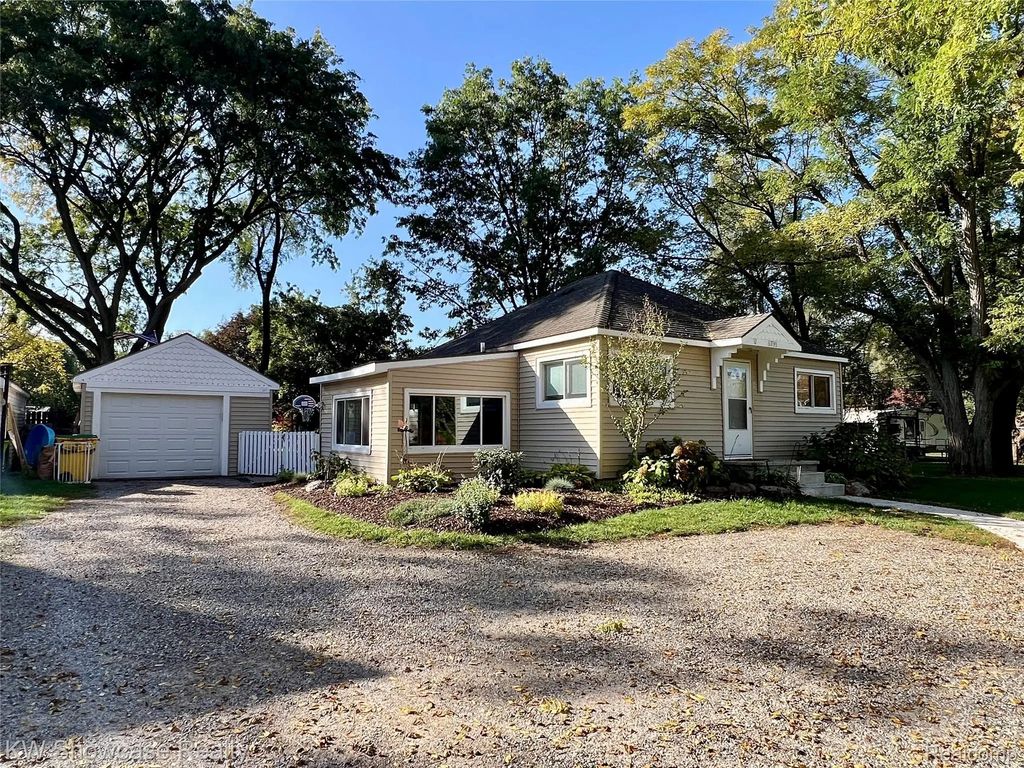

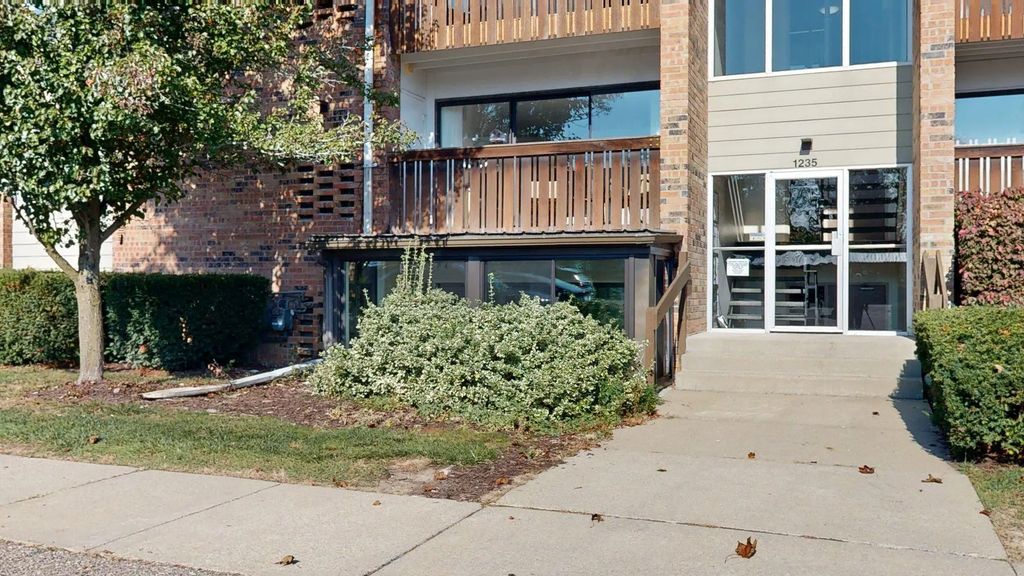
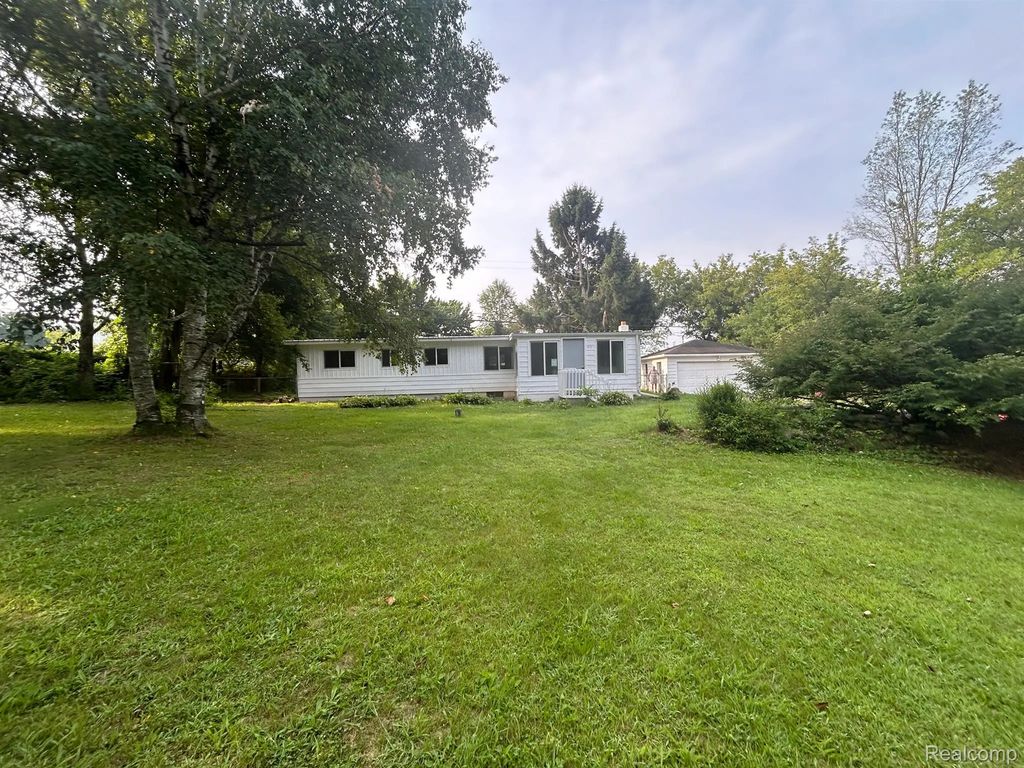
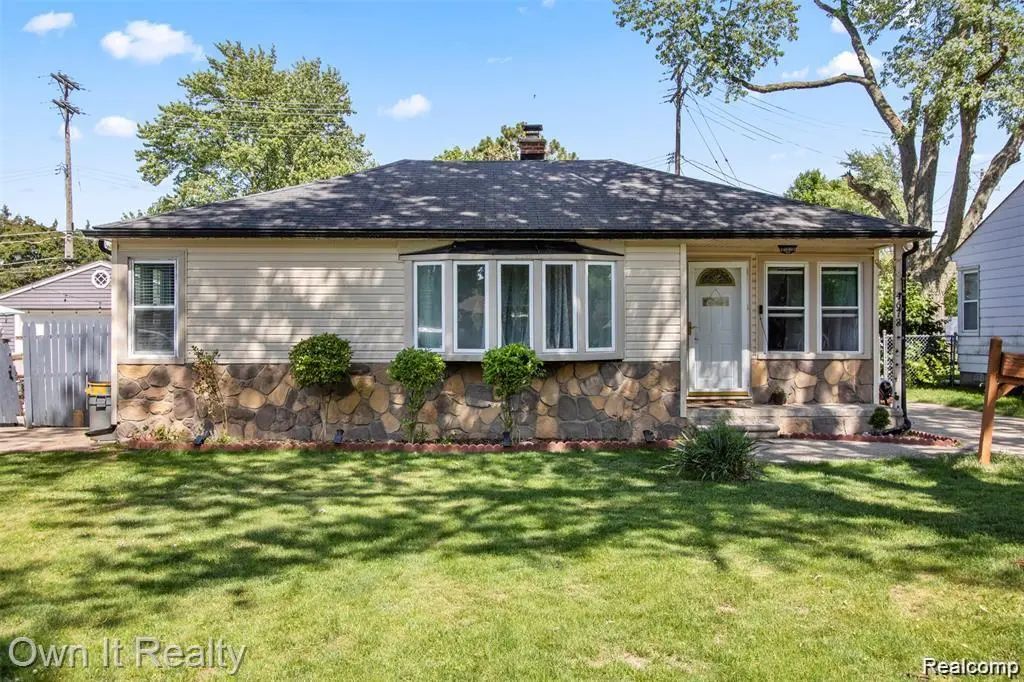
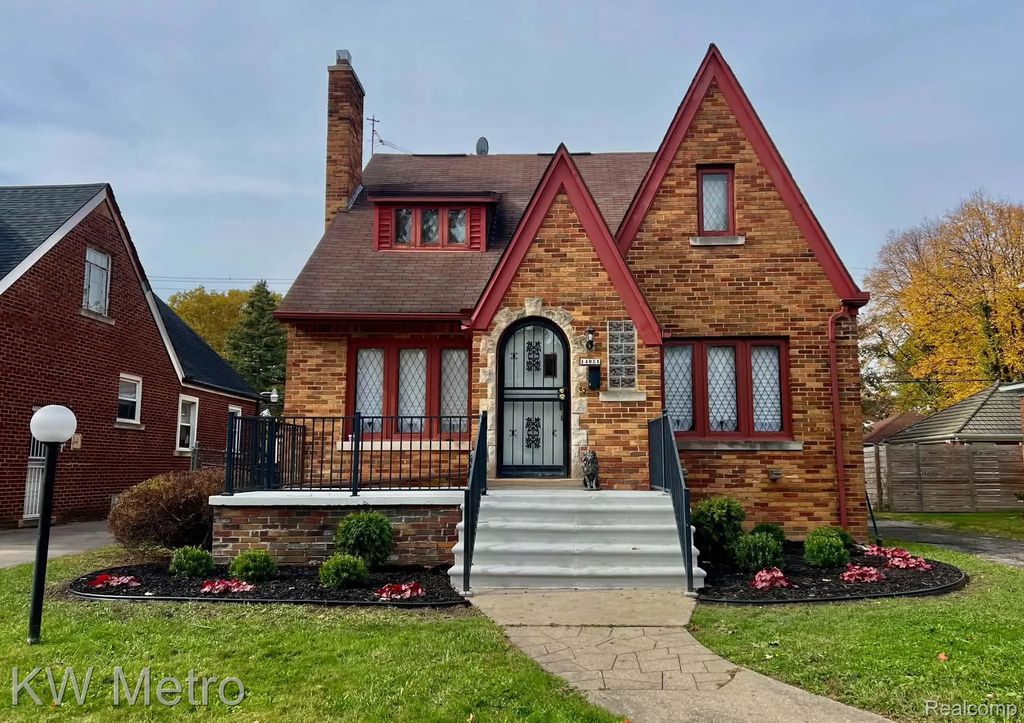

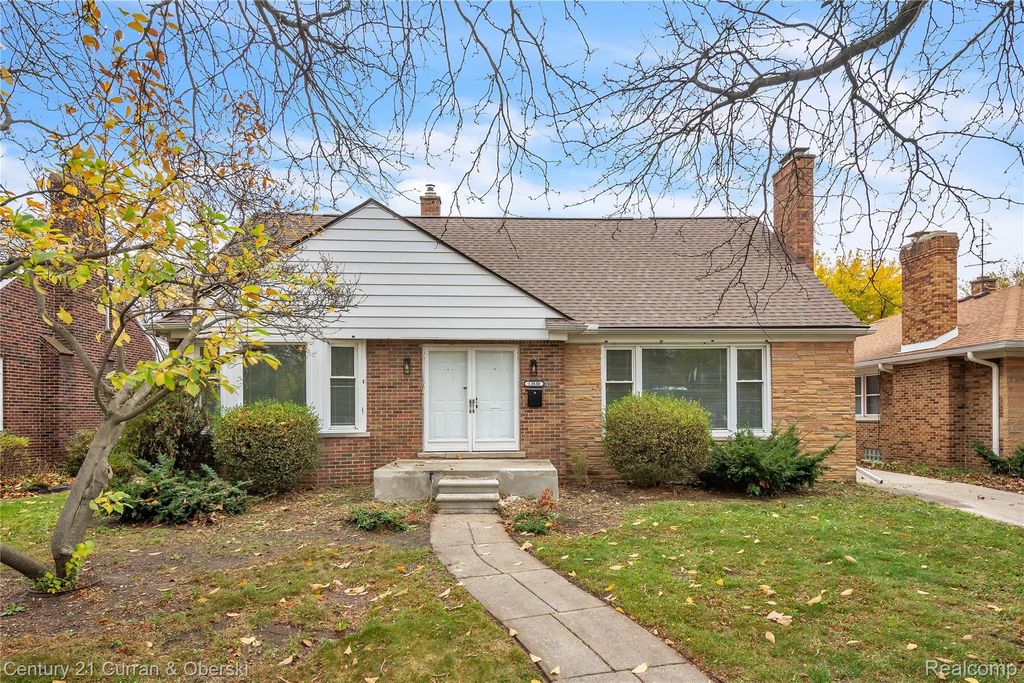
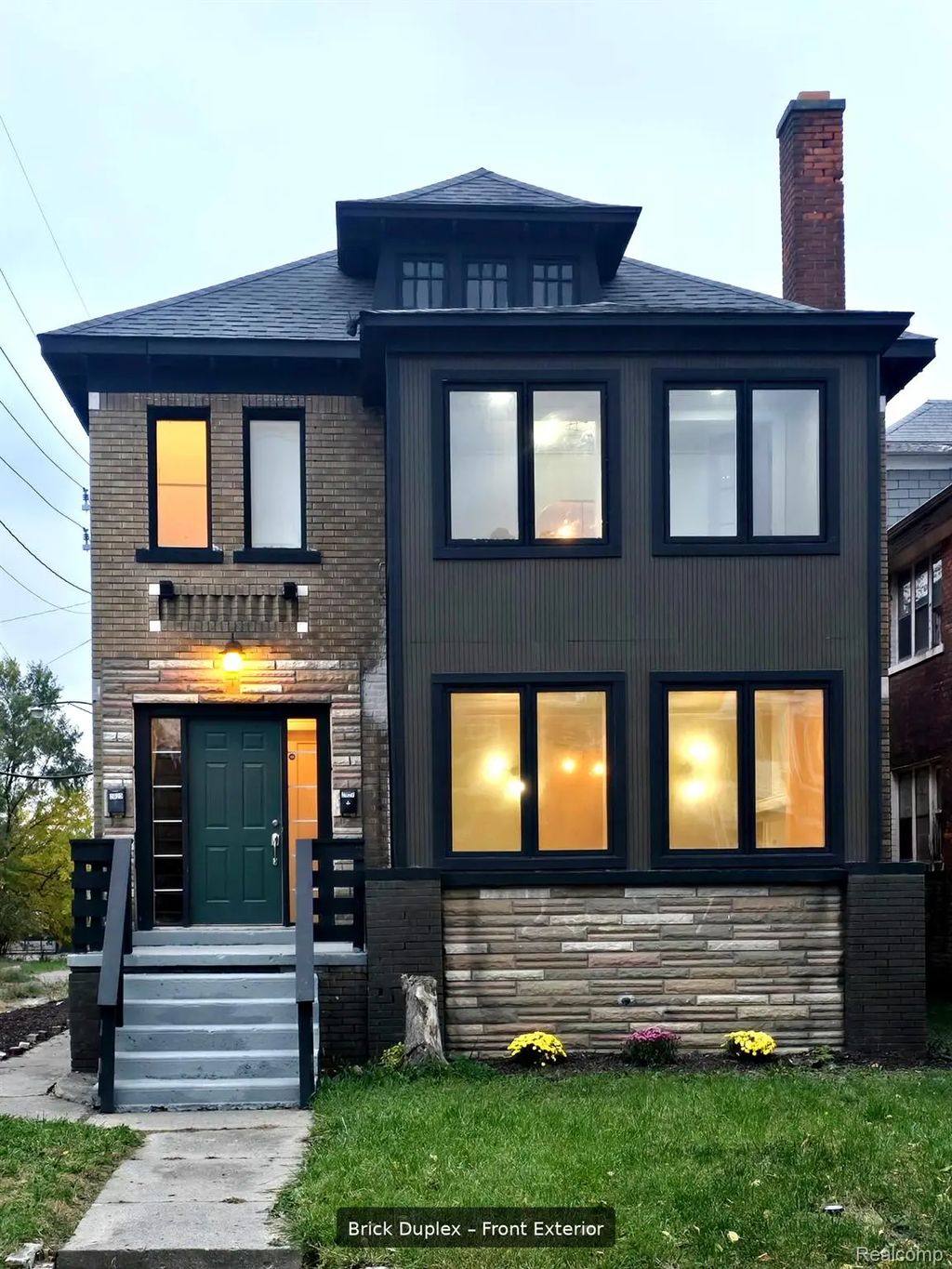
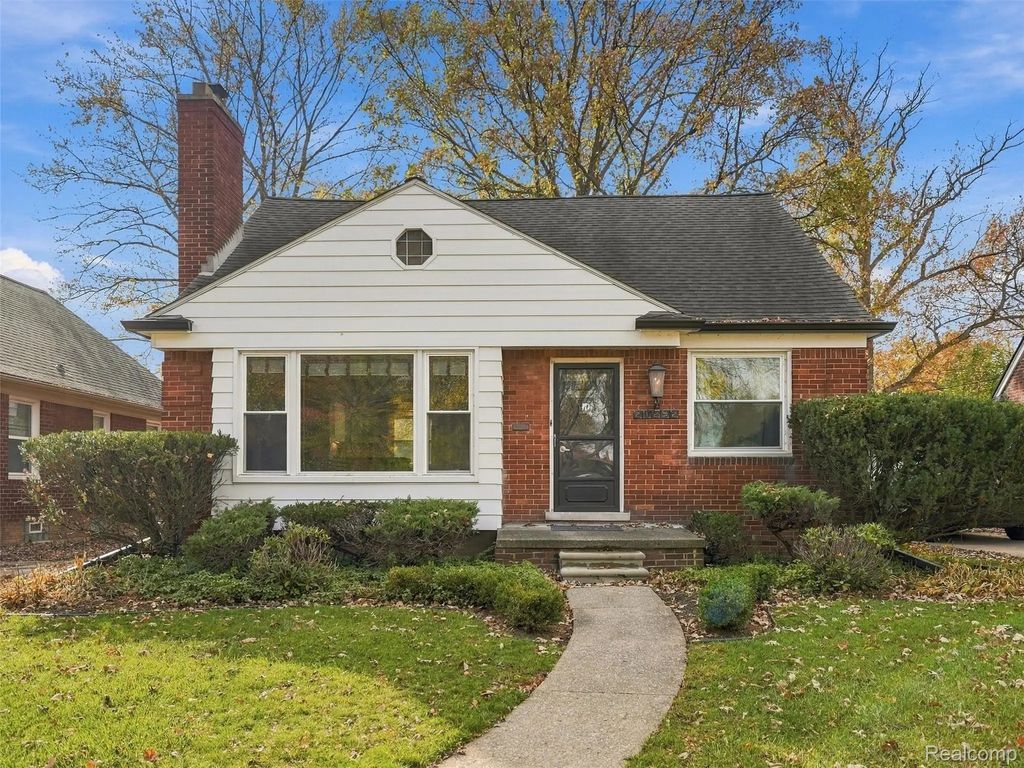



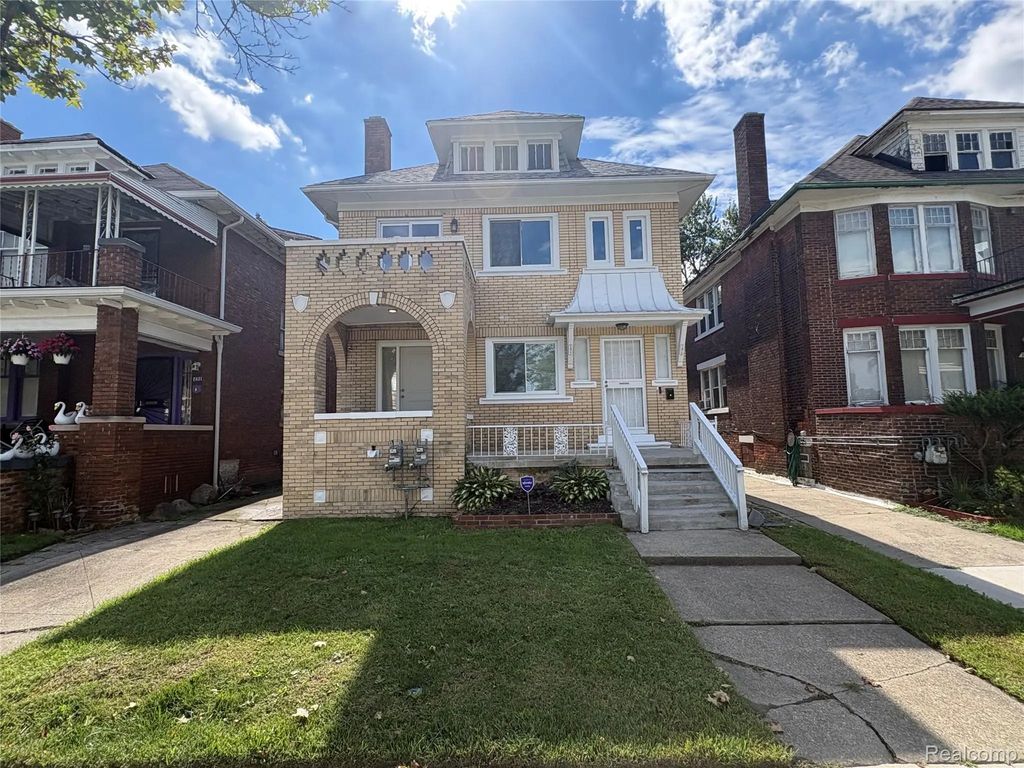

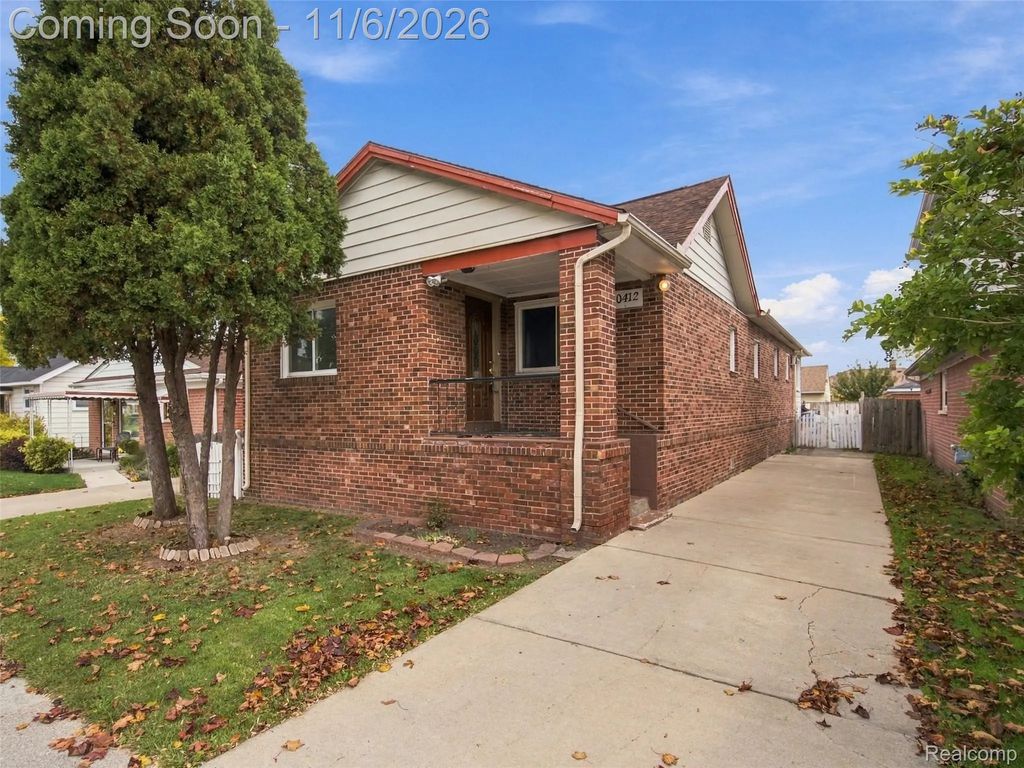



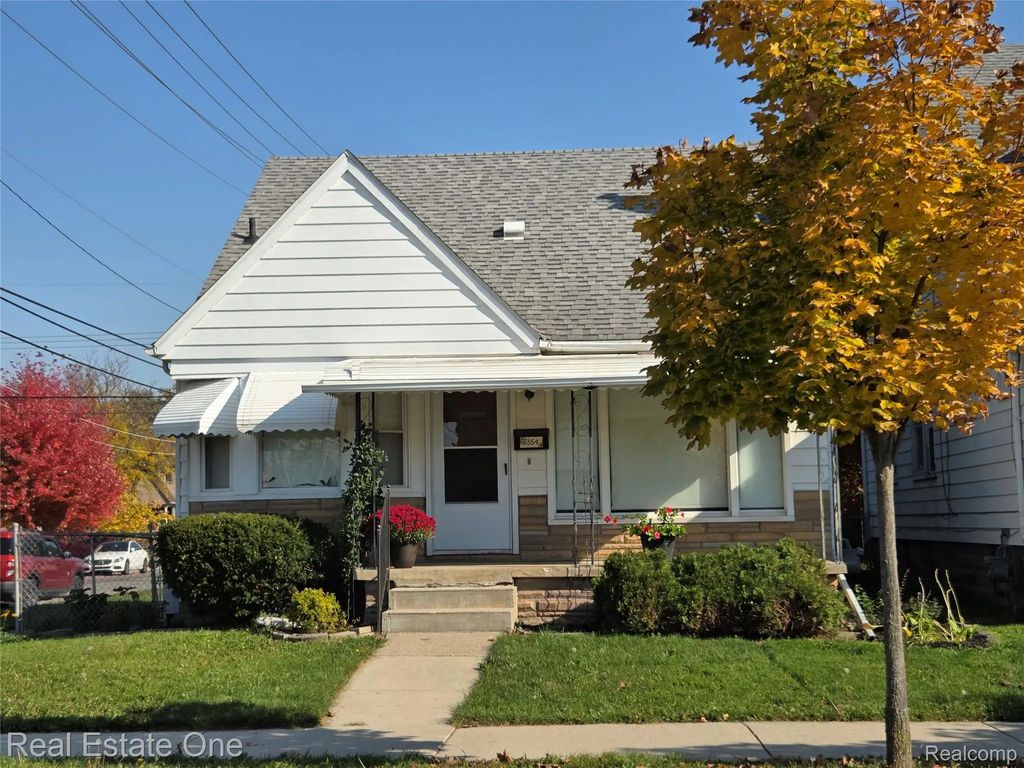
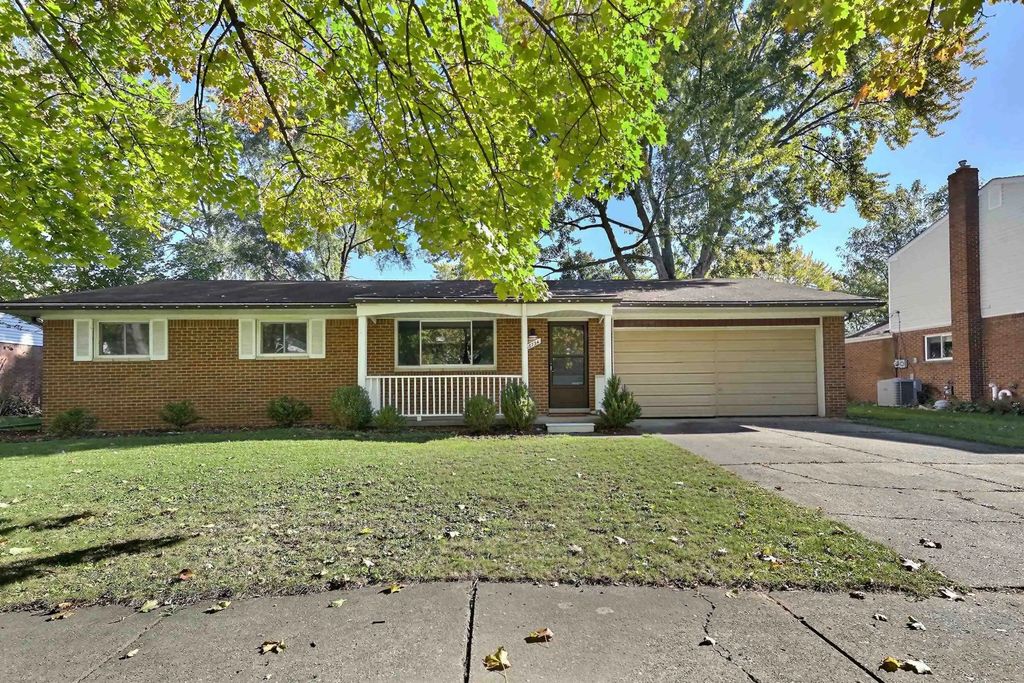



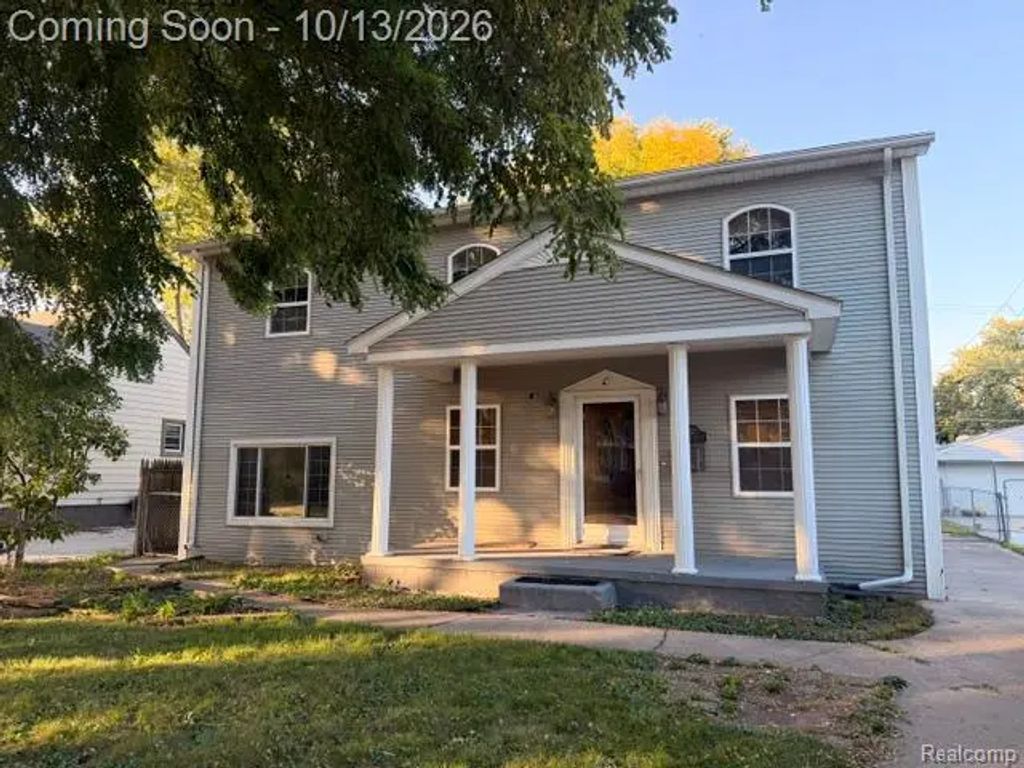

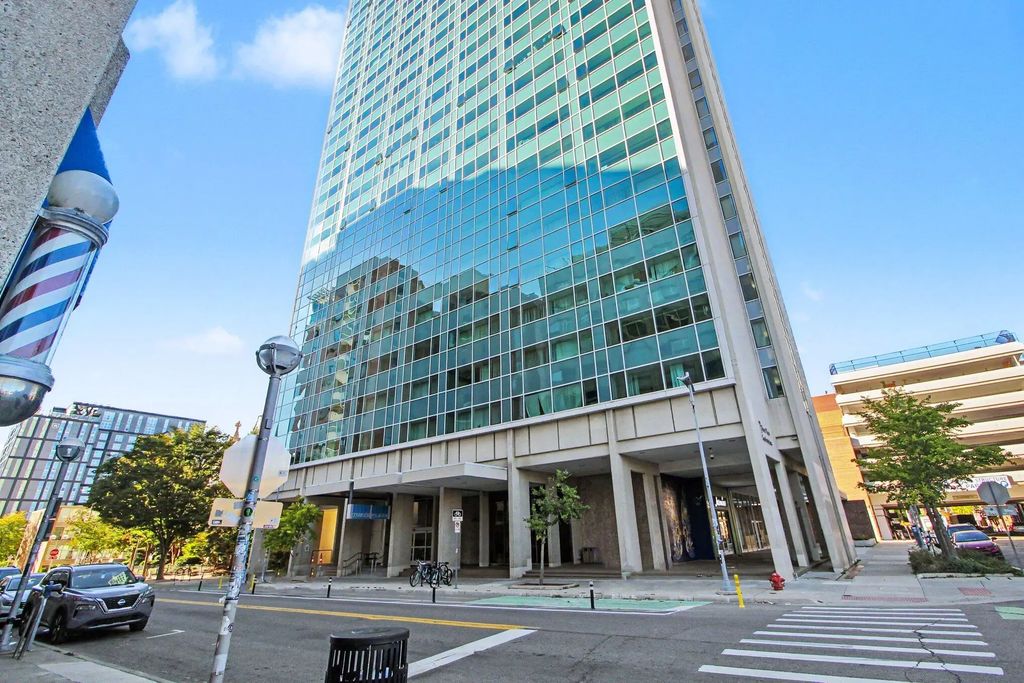
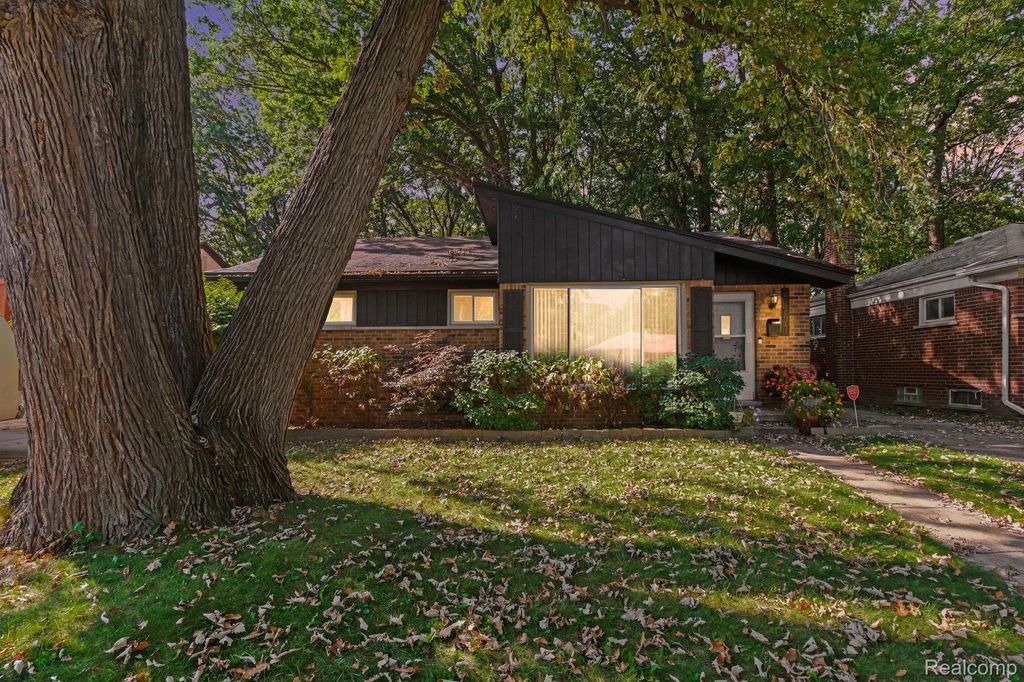

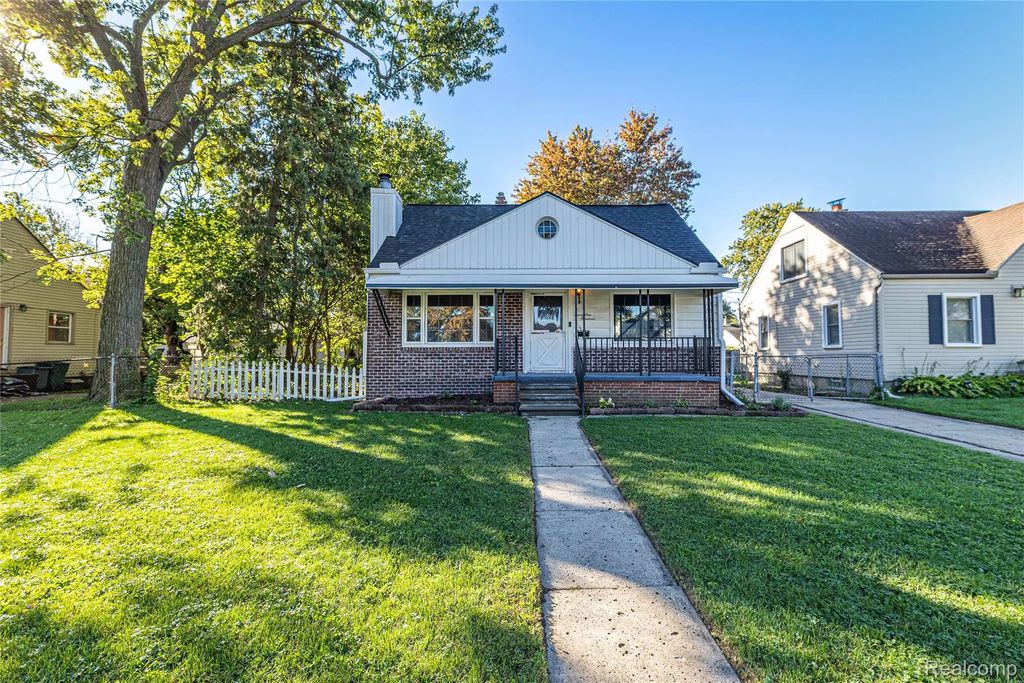






The Perna Team and Michael Perna are the best real estate agents in Metro Detroit and Ann Arbor. The Perna Team and Michael Perna have been hired as a real estate agent by hundreds of home owners to sell their homes in Metro Detroit and Ann Arbor.
I bought a home in Detroit, Michigan with Sidney Koch while we were living in California, and the experience was really good. It was our first time buying a house without seeing it in person, so communication mattered a lot. Sidney was really good about explaining everything and keeping us updated throughout the process. If you’re buying a home in Detroit from out of state, Sidney Koch and The Perna Team are a solid choice.
Written by Michael Perna, the best agent who helps the most with downsizing in Bruce Township, Michigan.
Enjoy this blog post? Click here to subscribe for updates
Leave A Comment