
.28.png)

Buying a House in Royal Oak Michigan | Don't Make These 7 Mistakes
Buying a house in Royal Oak, Michigan, and the 7 mistakes that cost buyers the most: the tax bill that resets the year after you close, 1950s bones under the charm, basements that back up, and rules the city will not bend. I'm Michael Perna. My team has closed 8,000+ home sales across Metro Detroit over 24 years, and I own rentals in this city myself. ???? SERVING Royal Oak ZIPs 48067, 48068, 48073. ???? QUICK ANSWERS ❓ WHAT SHOULD I WATCH OUT FOR WHEN BUYING A HOUSE IN ROYAL OAK? The listing's tax number, aging systems, sewer backups, the school district, zoning and historic rules, downtown parking, and what is about to get built next door. All seven are avoidable if you check before you write the offer. ❓ IS THE TAX NUMBER ON A ROYAL OAK LISTING ACCURATE? Usually not. Michigan caps taxable value while one owner holds a home, then it uncaps the year after you buy and resets to current value. The listing shows their capped bill, not yours, and the jump runs into the thousands. Get the state equalized value and an estimate off your purchase price before you offer. ❓ DO BASEMENTS FLOOD IN ROYAL OAK? Some do. Much of the city sits on heavy clay, and older sections run combined sewers that back up in hard storms. Two of my six rentals here back up regularly. Standard policies do not cover sewer or sump backups without a rider, so add the endorsement before closing and have the sewer line camera scoped at inspection. Replacing one runs $8,000 to $20,000. ❓ WHAT SHOULD I INSPECT IN AN OLDER ROYAL OAK HOUSE? The median home here was built between 1950 and 1956. Have your inspector check knob and tube wiring, galvanized supply lines, cast iron drain stacks, the panel, and lead in paint or plumbing. Then ask the city for the permit history. Basements, additions and attic conversions done without permits become your tax, insurance and resale problem at closing. ❓ CAN I REMODEL A HOME IN ROYAL OAK? Not always the way you picture it. Northwood and the streets around Vinsetta can carry historic or preservation considerations, and zoning is not obvious from the curb. Check both before you buy, especially for an addition or an exterior change. One buyer here pulled permits to redo a facade and the city said no. ❓ HOW DOES DOWNTOWN ROYAL OAK PARKING WORK NOW? It changed in January 2026. The city moved to pay by plate through Flowbird stations and the ParkMobile app, and the back-in spaces on Washington are gone. If you are buying near the core, spend a Friday night in that block before you commit. ❓ WHAT IS GETTING BUILT IN DOWNTOWN ROYAL OAK? Hundreds of apartment units are approved or proposed, plus a Kroger at 14 Mile and Coolidge. A quiet block can sit next to construction for years. That is not a reason to avoid downtown, but know what is coming within a few blocks of any home you like. Want the real post-sale tax number, or the permit history on a house you are looking at? I run both for free.
You can do everything right buying a home in Royal Oak, Michigan. The perfect house, a great price, a smooth closing, and still get blindsided the moment you move in. A flooded basement that your insurance just refuses to cover, a renovation the city will not let you do, a property tax bill that nearly doubled overnight, and none of that is bad luck. Every single one of these is avoidable if you know to look. So, in the next few minutes, I'm going to walk you through the specific mistakes that catch buyers in Royal Oak, and exactly how to sidestep each one. These are specific to the city. This is not generic advice. We will cover the tax trap, the old home traps, the flooding risk, the school district mix-ups, the renovation rules, and the parking surprise. And at the very end, I'm going to give you a bonus mistake that's brand new to Royal Oak here in 2026 that almost nobody is talking about yet. That one is worth waiting for, so stick around. Quick intro, I'm Michael Perna with the Perna Team at EXP Realty. My team has closed more than 8,000 home sales across Metro Detroit over 24 years, which means I've seen every one of these mistakes happen, and I've helped clients avoid them. My job here is to be your guide, so you keep your money, and frankly, your sanity. If you want a second set of eyes on anything at all real estate related, give me a call. Whether you're looking to make a move in 6 days, 6 weeks, or 6 months, call me today. Let's have a chat. Mistake number one, and it is the most expensive, so we're going to start here. Trusting the tax number on a listing. In Michigan, a long time owner's property taxes are capped, but the year after you buy, they uncap and reset to the current value. That means the tax figure you see on a listing or on Zillow is often far lower than what you're actually going to pay. And I've seen bills jump by thousands of dollars per year. And the fix is simple. Before you write an offer, I will tell you what the state equalized value is, and estimate what your new tax will be down to about 50 bucks per year based on your purchase price, not the seller's old bill. I run this number for every one of my clients on every single home, and I'm more than happy to do it for you. Mistake number two, and this one is very Royal Oak. Underestimating older homes. Royal Oak is full of charming houses built between the 1920s and 1950s. There is a lot of new construction going on, but the median home was built between 1950 and 1956. The charm comes with aging bones. We're talking old knob and tube wiring, galvanized steel water pipes that corrode and clog, cast iron drain stacks that crack inside the walls, and in some homes lead in the paint or the plumbing. The fix is never skip a thorough home inspection and to specifically ask your home inspector to check the wiring, the plumbing material, and the electrical panel. Then budget for any needed updates if you decide to proceed forward, which you don't need to. A 100-year-old house is wonderful, but it's not a new build and you should not price it like one. Mistake number three, and here's where people really get hurt. They're ignoring the flooding and sewer backup risk. A lot of this area sits on heavy clay soil that holds water tightly, and parts of the city have older combined sewers that back up in heavy storms. Basement flooding and sewer backups are a real thing here. In fact, two of my six rentals here backup regularly. And here's the kicker that catches people. Most standard home insurance policies do not cover sewer or sump pump backups unless you add a specific rider. So, the fix is actually two-part. First, during your inspection, get the sewer line scoped with the camera so you know its real condition. Is this one that that's probably going to be dug up because that could be eight to $20,000 to dig up and redo a sewer line, or is it perfectly fine? That's what we're going for. Second is the backup endorsement to your insurance policy before you close. It's inexpensive and it can save you a flooded ruined basement that your regular policy would never have paid for. Mistake number four, assuming the address tells you the school district. And I cover this in detail in my schools video, but it belongs on this list, too, because it's a classic Royal Oak mistake. This one city is split among three different school districts. A Royal Oak address could be Royal Oak, and most likely it is, or it could be Berkley or Clawson schools with different ratings, different tax rates, and of course different things for kids to do. There are some kids that the Clawson district works better for, some Royal Oak, and some Berkley. The fix is of course to verify the actual district for the exact parcel before you fall in love with the home, not after. Don't trust the listing, confirm it. And that's something I do for my clients every single week in a lot of different cities. Mistake number five, buying a home you're not allowed to change the way you want. Some of the most beautiful pockets of Royal Oak, like Northwood and the areas around Vinsetta, can carry historic or preservation considerations and the city has zoning rules that are not obvious from the curb. The fix is to check the zoning and any historic or preservation overlay before you buy, especially if your plan is to do an addition, change the exterior, or do a major renovation. The last thing you want to do is buy your dream fixer-upper, then learn that you're not allowed to touch the front of it at all. One person did this. It was actually not my client, but one person bought one of my sellers' homes, went to pull a permit to do a redo of the facade in front, and Royal Oak told him, "No. So sorry, you're out of luck. This home is going to be the way it is today in 100 years, just like it was 100 years ago." Mistake number six, forgetting about the parking reality downtown. And this one just changed, so listen up, even if you think you know it. If you're buying near the walkable core, parking is a part of your daily life. As of January 2026, Royal Oak switched to a brand new system. It's a pay-by-plate now, run through Flowbird, pay stations, and the Parkmobile app. The first 2 hours in the city parking decks are still free, and they ended the old back-in parking on Washington Avenue, thank God. So, any article or video you saw before this year is actually out of date. The fix is to spend time in the exact area at the time as you want to actually be there, on a Friday night, on a Saturday day, and learn the current pay-by-plate rules before you commit to a downtown address. Now, here's the bonus mistake I promised, and it is the newest one in Royal Oak. Buying near downtown without checking what's about to get built right near you. Right now, Royal Oak is in the middle of a downtown building boom. There are several large apartment projects in the works, hundreds of new units between buildings like Lockwood near Main, Lincoln Place, and a 10-story building on South Lafayette, plus a major new Kroger development approved on the city's west side at 14 Mile and Coolidge. The city's also reshaping its long-term master plan. This matters to you because a quiet block today could sit next to construction for years with a more traffic and tighter parking even after it's done. Now, this is not automatically a reason to avoid downtown. New investment can actually be great for your home's value, but you should know what's approved or proposed within a few blocks of any home you're considering. The fix is to ask the city or just ask me what's coming nearby before you buy. I track these projects and I'm going to tell you straight whether a specific block is about to change. Now, before I bring it home, here's one bonus trap worth checking on these older homes. And before we get there, my name is Michael Pernell, local real estate agent. I'd be honored to get the call to help you and your family find your next home. Give us a call. We have over 3,100 five-star Google reviews. And subscribe to the channel. We drop great content like this each and every week. On top of today, we just covered because it hides in a huge number of Royal Oak houses. Assuming the work has already been done to the house was done legally, think about it. These homes are 80, 90, maybe 100 years old. Over the decades, owners have finished the basements, added bathrooms, built additions, and converted attics. A lot of that work was done without ever pulling a city permit. And here's why you should worry as a buyer. Unpermitted work can mean the job was never inspected and may not be safe or anywhere near code. It can come back and bite you on your taxes because the finished space the city doesn't know about can get reassessed once they find it. It can create problems with your insurance if something goes wrong in a room that was never permitted. It can absolutely complicate things when you go to sell because the next home inspector and lender, well, they may ask the same questions that we should be asking. The fix is straightforward. Before you buy, ask the city of Royal Oak for the permit history of the property. Compare it to what's actually there. If that finished basement has no permit behind it, you want to know before closing, not after, so we can make sure that we're negotiating for the seller to handle the permitting and the reinspections, not you. If you want me to check on any home, I would be more than happy to. Give me a call anytime. This is something we do for our clients day in and day out. So, let me bring it home. The biggest mistakes in Royal Oak are not random. They are the tax uncapping, the older home systems, the flooding and insurance gap, the school district mix-up, the zoning and the historic rules, the downtown parking, and now the building boom. Every single one of them is avoidable if you know where to look. And that is the whole point of going in with a guide who has done this 8,000 times. So, next step, I need you to do two things. Number one, watch all the rest of the Royal Oak videos in this series. Each one is different. There's one covering schools, pros and cons, living in Royal Oak, moving to Royal Oak, all of it. And then number two, call me. I would love to be your real estate agent, and I'd be honored to get the call, and I will 100% keep it real and honest with you all of the time. Over 8,000 clients so far and 3,105,000 reviews to verify that. My name is Michael Perna with EXP Realty. Thank you again, and I look forward to chatting soon.

Buying a home in Royal Oak, Michigan goes wrong in predictable places: a tax bill that uncaps the year after closing, a combined sewer that backs up into an uninsured basement, four school districts inside one city, and decades of unpermitted work. Every one of them is checkable before the offer.

Why Buying a Home in Royal Oak, Michigan Catches Good Buyers Off Guard
Quick answer: The expensive mistakes in Royal Oak are verification mistakes, not pricing mistakes.
Almost every one of them is settled in a public record at 203 South Troy Street before an offer is ever written. A buyer can do everything right here. The right house off Woodward Avenue, a fair price, a clean closing. Then the first tax bill lands and it is nothing like the number on the listing. Or the first heavy storm fills the basement and the insurance policy does not cover it. Or the renovation that justified the purchase turns out to be something the city will not approve.
None of that is bad luck. Every one of these is a known pattern in 48067 and 48073, and every one has a public answer.
The mistakes to avoid when buying a home in Royal Oak, Michigan are specific to this city, not generic buyer advice. Here is the whole list in one place, with where each answer actually lives.
| What to verify | Where the answer lives | When to do it |
|---|---|---|
| Uncapped tax estimate | City assessor, parcel record | Before the offer |
| Downtown district levy | City assessor, parcel record | Before the offer |
| Wiring, supply lines, drain stacks | Licensed inspector | Inspection period |
| Sewer lateral condition | Camera scope by a plumber | Inspection period |
| Water and sewer backup coverage | Insurance agent | Before closing |
| School district on the parcel | City and the district | Before the offer |
| Zoning and any overlay | City planning division | Before the offer |
| Permit history | City building department | Inspection period |
| Approved projects nearby | City economic development | Before the offer |
Buying a home in Royal Oak rewards the buyer who treats the city as a checklist rather than a vibe. The Perna Team has closed more than eight thousand home sales across Metro Detroit over twenty four years, and Michael Perna has lived in Royal Oak for fourteen of them.


The Tax Number on the Listing Belongs to the Seller
Quick answer: A Michigan home's taxable value uncaps the year after it transfers, so the tax figure on a Royal Oak listing is the seller's number, not the buyer's.
Michigan caps how fast taxable value can rise while one owner keeps a home. That cap comes off the year after the property changes hands, and the taxable value resets toward roughly half of market value. Of all the Royal Oak home buying mistakes on this list, this one carries the biggest dollar figure, and it is the easiest to avoid.
How the uncapping math actually works
Under Michigan's Proposal A system a home carries two numbers. Assessed value tracks roughly half of market value. Taxable value is what the bill is calculated on, and while one owner holds the property it can only rise by the rate of inflation or five percent, whichever is less. An owner who has held a bungalow near Catalpa Drive since the nineties is paying on a taxable value that has been suppressed for decades.
When the home sells, that ends. The property uncaps on the assessment roll the year after closing and the taxable value resets. On a Royal Oak house that has been in one family a long time, the increase is measured in thousands of dollars a year.
Two details catch buyers who think they have already accounted for this. The increase does not appear at closing, it appears the following year, which is long enough for an escrow account to fall short and for the monthly payment to climb in year two. And under Michigan law a purchase price is not automatically the new value, so the reset is an assessor's determination rather than a formula a buyer can assume.
One piece of math worth memorizing. The Michigan principal residence exemption removes up to eighteen mills of local school operating tax from an owner-occupied home, and a mill is one dollar per thousand dollars of taxable value. On a Royal Oak home with a taxable value near two hundred thousand dollars, that exemption is worth roughly thirty six hundred dollars a year. It applies to a primary residence only, so a rental or a second home in the city pays the higher non-homestead rate.
The downtown district levy most buyers never see
There is a Royal Oak specific wrinkle that rarely comes up until the first bill. Properties inside the city's downtown development district carry an additional levy on top of the millage that applies everywhere else, set at 1.6003 mills in the city's fiscal year 2025-26 budget resolution. On a taxable value near two hundred thousand dollars, that is roughly three hundred twenty dollars a year that a comparable home six blocks away does not pay.
For a buyer weighing a loft near Main Street against a bungalow in Normandy Oaks, that belongs in the comparison. The mechanics behind all of it are laid out in this breakdown of how Michigan property taxes work and why the bill changes hands, and there is a real local example in the story of the couple who got a nearly twenty thousand dollar tax bill after buying their first home.
Anyone who wants the uncapped number on a specific Royal Oak address before writing an offer can call or text The Perna Team at (248) 494-4698. It takes about ten minutes and there is no charge for it.

Royal Oak's Older Homes Carry Older Systems
Quick answer: The median Royal Oak home dates to the mid-1950s and roughly a third of the housing stock predates 1950, so original wiring and plumbing are the baseline expectation.
Census Bureau American Community Survey five-year estimates put the median construction year for Royal Oak housing at 1956, with a large share built before 1950 and the 1950s accounting for the single biggest decade. This is a prewar and postwar city, and the charm along streets like Vinsetta Boulevard and North Altadena Avenue is real.
The charm comes with aging bones. In a house of that vintage the recurring findings are knob and tube wiring still live in parts of the structure, galvanized steel supply lines that corrode from the inside and choke water pressure, cast iron drain stacks that crack inside wall cavities where nobody sees them, and lead in paint or in plumbing components.
The wall cavity problem costs the most because it is invisible at a showing. A failing cast iron stack behind finished drywall is not a plumbing repair, it is a plumbing repair plus drywall, plus paint, plus whatever the water touched on the way down.
What to tell the inspector, specifically
A general inspection will not surface all of this unless the inspector is asked. On a pre-1960 Royal Oak house, ask directly about:
- Wiring type in the attic, the basement and behind at least one outlet cover
- Supply line material at the meter and at a fixture, since a house can be part copper and part galvanized
- Drain stack material and any visible cracking or patching
- Electrical panel age, amperage and whether it is a brand with known issues
- Evidence of lead paint in a home built before 1978, which carries federal disclosure requirements
- Whether the sewer lateral has ever been scoped or replaced
Then budget for updates. A ninety year old house in the bungalow belt off Crooks Road is a wonderful thing to own, but it should not be priced like a new build. For a sense of how the city's pockets differ in age and price, this guide to the best neighborhoods in Royal Oak maps the differences.

The Combined Sewer, the Basement, and the Insurance Gap
Quick answer: Royal Oak runs a combined sewer system, and most standard homeowners policies exclude sewer and sump pump backup unless a rider is added.
Buying a home in Royal Oak means buying into a combined sewer system, and the risk is larger than most buyers are told. The City of Royal Oak states that all stormwater from rain and snow is mixed with sanitary sewage from private sewer leads into one pipe. Parts of the city do have separate storm and sanitary pipes, but those still drain to the same county drain and combine there.
A combined system is common in southeast Oakland County and it works fine most of the time. The problem is capacity. In a heavy storm, stormwater takes up room in a pipe that is also carrying sewage, and when the system surcharges, the path of least resistance can be a basement floor drain. Royal Oak grew up around the Red Run, and the low-lying pockets behave differently in a storm than the higher ground north of 13 Mile Road.
Who owns which pipe
Here is the part almost nobody tells buyers. According to the city, the property owner is responsible for the sewer service lead all the way from the building to the main sewer, including the connection to the main. The city maintains only the main line in the street.
That means a cracked or root filled lateral under the front lawn is the homeowner's cost, not the city's. In a city where those laterals are commonly seventy or eighty years old, that is a meaningful exposure sitting under a lawn nobody has looked at.
The fix has two parts and both happen before closing. Scope the sewer lateral with a camera during the inspection period so the pipe's condition is a known quantity. Then add a water and sewer backup endorsement to the homeowners policy before closing, because the standard policy will not pay for a sewage backup. The endorsement is inexpensive. A finished basement is not.
Buyers who want a plumber who actually scopes laterals in this city, or a read on how a specific block handled the last big storm, can call or text (248) 494-4698.

One City, Four School Districts
Quick answer: A Royal Oak mailing address does not identify the school district, and the city lists four districts serving its addresses.
The City of Royal Oak's own school district page names Royal Oak Schools, Berkley, Clawson and Madison Heights. Of the Royal Oak home buying mistakes on this list, the school district is the easiest to make and the hardest to undo, because it is baked into the address itself.
Royal Oak Schools serves most of the city, including Royal Oak High School on Lexington Boulevard, but Berkley, Clawson and Madison Heights each serve portions of it and the lines do not follow the neighborhood names buyers use. Royal Oak school districts carry different operating millages and different reputations, so the district on a given parcel affects both Royal Oak property taxes and the resale story.
It runs the other direction too, which surprises people. Royal Oak Schools also serves the easternmost portion of Berkley and a slice of south Troy. A Berkley address is not automatically a Berkley Schools address any more than a Royal Oak address is automatically a Royal Oak Schools address.
Royal Oak is not Royal Oak Township
One more piece of geography that costs people money. The City of Royal Oak and Royal Oak Charter Township are two different municipalities. The township is a small unincorporated remnant of the original survey township, sitting south of the city near the Detroit border, with its own taxes, its own services and its own schools.
They are not interchangeable, and a search filtered on the wrong one returns the wrong houses at the wrong price points. Because Royal Oak school districts and municipal boundaries both cut across the city in ways the address hides, verify the district and the municipality on the exact parcel before falling in love with the house. Listing data is entered by people, and the school field is one of the most commonly wrong fields in the system.
What Royal Oak Will Actually Let You Change
Quick answer: Ordinary zoning, not historic designation, is what limits most Royal Oak renovations.
Buyers hear "historic district" and picture whole neighborhoods locked down. In Royal Oak that is mostly not how it works, and the real constraint sits somewhere else.
The city's designated local historic districts are specific and narrow. They cover individual buildings and small clusters: the Orson Starr House at 3123 North Main Street, the Royal Oak Woman's Club at 404 South Pleasant Street, the Royal Oak Farmers Market at 3166 East 11 Mile Road, a group of homes on North Altadena Avenue, and the Vinsetta Bridges, which are the structures in the median of Vinsetta Boulevard rather than the houses along it. The city also notes that a property cannot be designated historic without the owner's permission, which is why the map looks the way it does.
The zoning rewrite that is actually underway
The live constraint is ordinary zoning, and it is in motion. Royal Oak adopted a new master plan in 2025 and has a comprehensive rewrite of its zoning ordinance underway to bring the ordinance in line with that plan. Setbacks, lot coverage, height and parking requirements are all inside the scope of that work.
For a buyer, that cuts both ways. A lot that cannot support the addition today might later, and a use that is allowed today might be written differently tomorrow. Either way, the answer is a phone call to the planning division and not an assumption from the curb.
Confirm zoning on the specific parcel before buying anything with an addition, a dormer, a garage or a major exterior change in the plan. Ask what is allowed today and ask what is under review. A dream fixer upper that cannot legally be finished the way it was imagined is a very expensive misunderstanding.

What Happens When You Actually Call
Most people do not call because they assume it means a pitch and a calendar invite. Here is the actual sequence for a Royal Oak address, with the honest time cost of each step.
- Send the address by text to (248) 494-4698. Thirty seconds.
- The Perna Team pulls the parcel record and estimates the uncapped tax, and flags whether the parcel sits in the downtown district. About ten minutes, same day.
- Verification of the school district on that parcel against the city and the district. About five minutes.
- A check of what is approved or proposed within a few blocks. About ten minutes.
- A short call with what turned up, and the names of inspectors and plumbers who scope laterals in this city. Fifteen to twenty minutes, whenever it suits.
No obligation attaches to any of that, and none of it requires signing anything.
The Perna Team has closed more than eight thousand home sales across Metro Detroit over twenty four years, holds a 99.1 percent list-to-sale ratio, and carries 3,159 client reviews. Michael Perna is a lifelong Metro Detroit native who lives in Royal Oak's Red Run neighborhood and owns rental property in the city, which is a different kind of knowledge than reading the MLS. Start at thepernateam.com or browse homes for sale in Royal Oak.

Downtown Parking Works Differently Than It Used To
Quick answer: Royal Oak moved to pay-by-plate parking in January 2026, and there is no all-day on-street option downtown.
Payment is now by license plate at a Flowbird pay station, through the ParkMobile app, by text, or through a browser with no app required. The back-in angled parking on Washington Avenue was removed and those spaces returned to standard pull-in. Anything written about Royal Oak parking before 2026 is out of date.
The city operates four structures: Lafayette North at South Lafayette and West 4th, Center Street at South Center and West 3rd, Lafayette South at South Lafayette and West 6th, and the 11 Mile Garage just west of the library.
| Parking type | Rate | Maximum stay |
|---|---|---|
| Structures | First two hours free Monday to Saturday, then $0.75 an hour. Free Sunday | Longest limits in the city |
| Surface lots | $0.75 an hour until 5 p.m., $1.00 after. Free Sunday | Four hours |
| On-street | $1.25 an hour until 5 p.m., $1.50 after. Free Sunday | Three hours |
Here is the part that actually affects someone living near the walkable core, and it is not the hourly rate. On-street parking carries a three hour maximum and surface lots a four hour maximum, and the fifteen minute grace period that existed under the old camera-based system was eliminated when enforcement returned to officers scanning plates. There is no all-day on-street option downtown. The civic complex lots around city hall, the courthouse and the farmers market also became paid parking in February 2026 after several years of being free.
The permit question
A residential parking permit is available from the city clerk's office for a modest annual fee, but it only covers streets that have been designated as permit parking zones. A street becomes one through a resident petition and a traffic study, not automatically. The city is explicit that a permit does not entitle the holder to free parking at a metered space.
So the question for a buyer two blocks off Main Street is not what parking costs. It is where the household's second car is going to live at eleven o'clock on a Saturday night. Spend real time at the exact address at the hours that matter. The day to day realities of living in Royal Oak cover more of that texture.
Find Out What Is Getting Built Next to You
Quick answer: Royal Oak publishes its approved and announced projects, and a quiet block today can sit beside a construction site for a year or more.
This is the newest item on the list and the one fewest buyers think to check. The near-downtown pipeline is substantial.
- Lincoln Place at 200 East Lincoln, a five story building with more than two hundred units, fifty two of them dedicated to workforce housing, under construction since early 2026
- A mixed use building at 505 South Lafayette with ground floor retail and apartments above
- A smaller multifamily project at 1225 North Main Street
- A large Kroger development approved in 2026 at 2800 West 14 Mile Road at Coolidge Highway, with a grocery store, a fuel center and a multifamily building
- A Corewell Health outpatient surgery and medical office facility at 3828 West 13 Mile Road, across from the hospital campus
None of this is automatically bad for a buyer. New investment near a home often helps value, and a city adding housing downtown is a city with demand. But a buyer deserves to know whether the quiet block they are touring sits next to an approved site, because construction traffic, staging and tighter parking are real for the duration.
Ask the city what is approved or proposed within a few blocks of any address under consideration, or ask an agent who tracks it. The answer is public and it takes one conversation. Send an address to (248) 494-4698 and The Perna Team will tell you straight whether that specific block is about to change.

Assume Nothing About Work Already Done to the House
Quick answer: Unpermitted finished basements, additions and attic conversions are common in Royal Oak, and permit history is a public record a buyer can request.
Anyone buying a home in Royal Oak should assume nothing about the work already done to it. These homes are eighty, ninety, a hundred years old. Across those decades owners finished basements, added bathrooms, built additions and converted attics, and a meaningful share of that work never had a city permit behind it.
That should concern a buyer for four separate reasons:
- Work that was never permitted was never inspected, so nothing confirms it is safe or code compliant
- Finished space the city does not know about can be reassessed once it is discovered, which moves the tax bill
- An insurance claim arising in a room that was never permitted can get complicated
- The next buyer's inspector and lender will ask the same questions, which turns it into a resale problem
The fix is straightforward and almost nobody does it. Request the permit history from the Royal Oak building department on Williams Street and compare it against what is physically in the house. If there is a finished basement with a full bath and no permit anywhere in the record, that is worth knowing before closing rather than after.
Send the address to (248) 494-4698 and The Perna Team will help pull the permit record before the inspection contingency runs out.
A Royal Oak Buyer Glossary
Quick answer: Five terms explain most of what goes wrong for Royal Oak buyers.
Taxable value
The number a Michigan property tax bill is actually calculated on. It is not the same as market value or assessed value, and while one owner holds the property it can only rise by inflation or five percent, whichever is less.
Uncapping
The removal of that annual cap when a property transfers. It lands on the assessment roll the year after closing, which is why the surprise shows up in year two rather than at the closing table.
Principal residence exemption
Michigan's owner-occupant exemption, which removes up to eighteen mills of local school operating tax from a primary residence. A rental or second home in Royal Oak does not get it and pays the higher non-homestead rate.
Combined sewer
A single pipe carrying both stormwater and sanitary sewage. Royal Oak operates one that drains to an Oakland County drain, which is why heavy storms and basement backups are connected here in a way they are not in cities with fully separated systems.
Sewer lateral
The private pipe running from the house to the city main. In Royal Oak the owner is responsible for the entire run, including the connection to the main.
Which Mistake Applies to You
Quick answer: The traps that matter most depend on what kind of Royal Oak buyer you are.
| If you are | Check this first | Then this |
|---|---|---|
| Buying from a long-time owner | Uncapped tax estimate | Permit history |
| Buying a downtown loft or condo | Downtown district levy | Parking and the three hour limit |
| Buying a pre-1960 bungalow | Wiring, supply lines, drain stack | Sewer lateral scope |
| Buying for the schools | District on the exact parcel | District millage difference |
| Planning an addition or dormer | Zoning on the parcel | Any historic designation |
| Buying near Main Street | Approved projects within a few blocks | Parking and the district levy |
| Buying a rental or second home | Non-homestead tax rate | Sewer backup endorsement |
Buying a Home in Royal Oak, Michigan the Smart Way
The mistakes to avoid when buying a home in Royal Oak, Michigan are not random and they are not mysterious. They are the tax uncapping and the downtown levy, the older home systems, the combined sewer and the insurance gap, the four school districts, the zoning and historic rules, the downtown parking reality, the construction pipeline, and the permit history. Every one has a public answer, and every one is cheaper to find before the offer than after the closing.
For context on what that buying decision looks like in numbers, the City of Royal Oak market saw a median sale price of $371,500 across 102 closings in August 2026, with a median of twelve days on market and better than half of sales closing at or above asking. That is a market that does not leave much room for a slow verification process, which is exactly why the checking happens before the offer rather than during it.
That is the whole argument for buying a home in Royal Oak, Michigan with someone who checks all of it as a habit rather than a favor. Buyers earlier in the process may want the wider view in this look at the mistakes first-time buyers make across Metro Detroit or the full walkthrough in this step by step guide to buying a home in Metro Detroit. Anyone still weighing whether this city is the right fit can start with the case for moving to Royal Oak, and anyone who already owns here can get a current number from a free home evaluation.
When it is time to look at real houses here with every one of these traps checked in advance, call or text The Perna Team at (248) 494-4698 or visit thepernateam.com. It would be an honor to help make this move without a single one of these surprises.
The Perna Team at eXp Realty, 39475 W 13 Mile Rd STE 103, Novi, MI 48377. Phone (248) 494-4698. Michael Perna, Michigan Real Estate License 6501309650. Serving Royal Oak and the surrounding Oakland, Wayne, Macomb, Washtenaw and Livingston County communities.
Key Takeaways
- Royal Oak property taxes on a listing show the seller's capped number, and the property uncaps on the assessment roll the year after closing, not at closing.
- The principal residence exemption removes up to eighteen mills from an owner-occupied home, worth roughly thirty six hundred dollars a year on a two hundred thousand dollar taxable value, and a rental does not get it.
- Properties inside Royal Oak's downtown development district carry an additional levy, set at 1.6003 mills in the city's fiscal year 2025-26 budget.
- Census Bureau estimates put the median Royal Oak construction year at 1956, so original wiring, galvanized supply lines and cast iron drain stacks are the baseline expectation.
- Royal Oak operates a combined sewer system, the homeowner owns the sewer lateral all the way to the main, and a standard policy needs a water and sewer backup endorsement added.
- Royal Oak school districts number four across one city, and Royal Oak Schools reaches into east Berkley and south Troy, so the district has to be verified on the exact parcel rather than assumed from the address.
- Historic designation here is narrow and requires owner consent, but the city's zoning ordinance rewrite means what a lot allows can change.
- Parking downtown moved to pay-by-plate in January 2026, there is no all-day on-street option, and the fifteen minute grace period was eliminated.
- Permit history is a public record, and unpermitted finished space is common enough in this housing stock to be worth requesting on every purchase.
Buying a Home in Royal Oak, Michigan FAQs
What mistakes should you avoid when buying a home in Royal Oak, Michigan?
The costliest Royal Oak home buying mistakes are trusting the seller’s tax number, skipping a sewer scope, assuming the school district from the address, and never pulling permit history. Add underestimating pre-1960 mechanical systems and not checking what construction is approved nearby. Each one is verifiable before an offer is written.
Why do property taxes go up after you buy a house in Royal Oak?
Royal Oak property taxes follow Michigan’s cap on how fast taxable value can rise while one owner keeps a home, and that cap is removed the year after the property transfers. Taxable value then resets toward roughly half of market value, which is why a long-held Royal Oak home can jump sharply.
How much is the principal residence exemption worth in Royal Oak?
Michigan’s principal residence exemption removes up to eighteen mills of local school operating tax from an owner-occupied home. Since a mill is one dollar per thousand dollars of taxable value, that is roughly thirty six hundred dollars a year on a two hundred thousand dollar taxable value. Rentals do not qualify.
Do homes in downtown Royal Oak pay extra property tax?
Properties inside Royal Oak’s downtown development district carry an additional levy beyond the millage charged elsewhere in the city, set at 1.6003 mills in the fiscal year 2025-26 budget. On a two hundred thousand dollar taxable value that is roughly three hundred twenty dollars a year.
How old are most homes in Royal Oak, Michigan?
Census Bureau American Community Survey estimates put the median construction year for Royal Oak housing at 1956, and roughly a third of the stock predates 1950. Prewar and postwar construction dominates, so original wiring, galvanized supply lines and cast iron drain stacks are common findings.
Does homeowners insurance cover a sewer backup in Royal Oak?
Standard homeowners policies generally exclude sewer and sump pump backup. Coverage requires a water and sewer backup endorsement added to the policy, which is inexpensive relative to the cost of a flooded finished basement. The endorsement should be in place before closing, not after the first heavy storm.
Who is responsible for a broken sewer line in Royal Oak?
The property owner is responsible for the sewer service lead running from the building all the way to the main sewer, including the connection to the main. The City of Royal Oak maintains only the main line in the street, so a failed lateral under the front lawn is the homeowner’s cost.
What school district is a Royal Oak address in?
It depends on the parcel. The City of Royal Oak lists four districts serving city addresses: Royal Oak Schools, Berkley, Clawson and Madison Heights. Royal Oak Schools also serves the easternmost portion of Berkley and part of south Troy, so the district has to be verified address by address.
Does Royal Oak have historic districts that restrict renovations?
Royal Oak has designated local historic districts, but they are narrow, covering individual buildings and small clusters rather than whole neighborhoods. The city also notes that a property cannot be designated historic without the owner’s permission. For most homes the real renovation limit is ordinary zoning.
Is there all-day street parking near downtown Royal Oak?
No. On-street parking downtown carries a three hour maximum and surface lots a four hour maximum. The fifteen minute grace period was eliminated when the city returned to officer enforcement. Residents needing longer-term parking look to monthly garage passes or a designated permit zone on their own street.
What is being built in downtown Royal Oak?
The City of Royal Oak publishes a list of announced projects. It includes Lincoln Place at 200 East Lincoln, a mixed use building at 505 South Lafayette, a smaller project at 1225 North Main, a Kroger development at 14 Mile and Coolidge, and a Corewell Health outpatient facility on West 13 Mile.
How do you check if work on a Royal Oak house was permitted?
Request the property’s permit history from the City of Royal Oak building department and compare it to what is physically in the home. Unpermitted finished basements, additions and attic conversions are common in older housing stock and can affect safety, assessment, insurance claims and the eventual resale.

DON'T KEEP US A SECRET - SHARE WITH A FRIEND OR TO SOCIAL MEDIA!


THINKING OF MOVING TO Royal Oak, OR LOOKING TO RELOCATE IN THE AREA? VIEW A LIST OF CURRENT HOMES FOR SALE BELOW.
Explore Royal Oak Homes
-
All Listings
-
Under $100,000
-
$100,000 - $200,000
-
$200,000 - $300,000
-
$300,000 - $400,000
-
$400,000 - $500,000
-
$500,000 - $600,000
-
$600,000 - $700,000
-
$700,000 - $800,000
-
$800,000 - $900,000
-
$900,000 - $1,000,000
-
Over $1,000,000
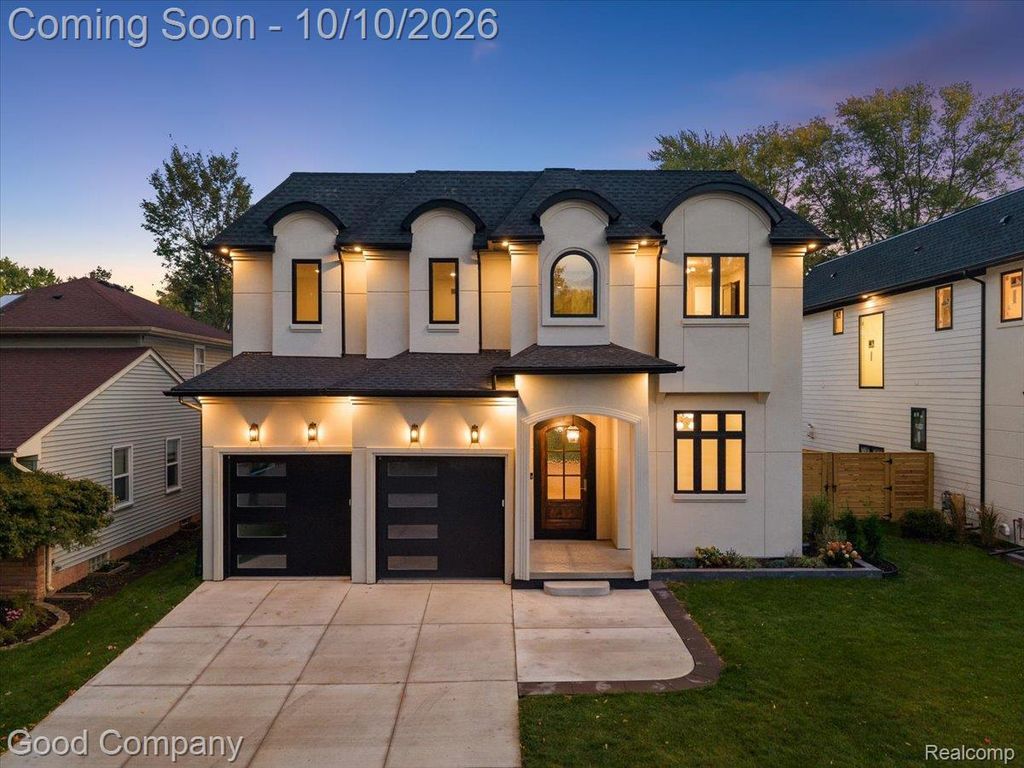
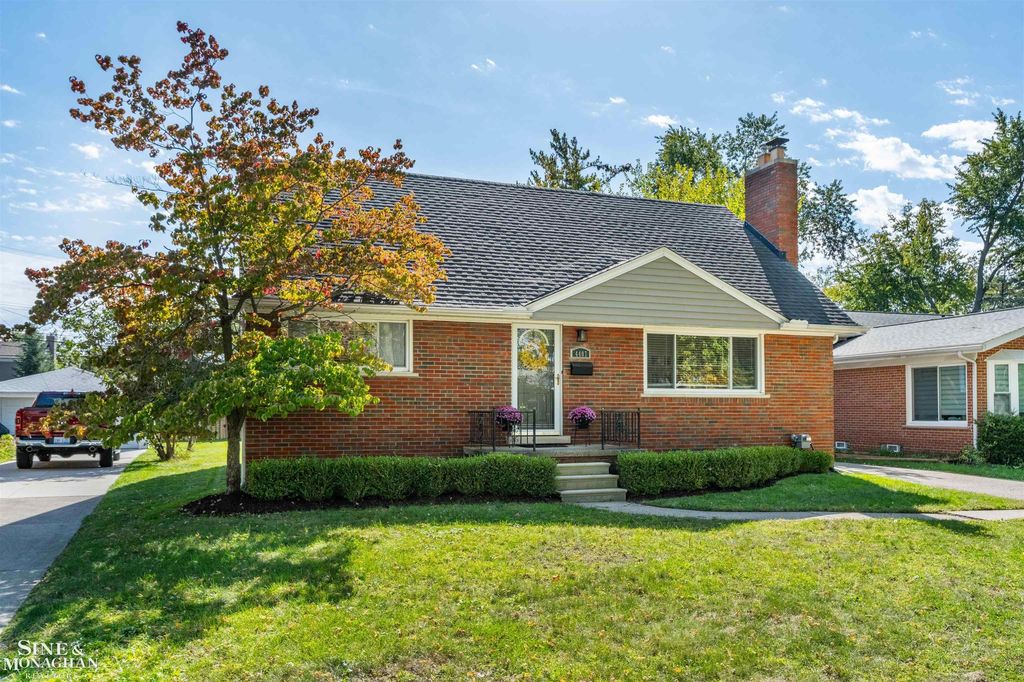
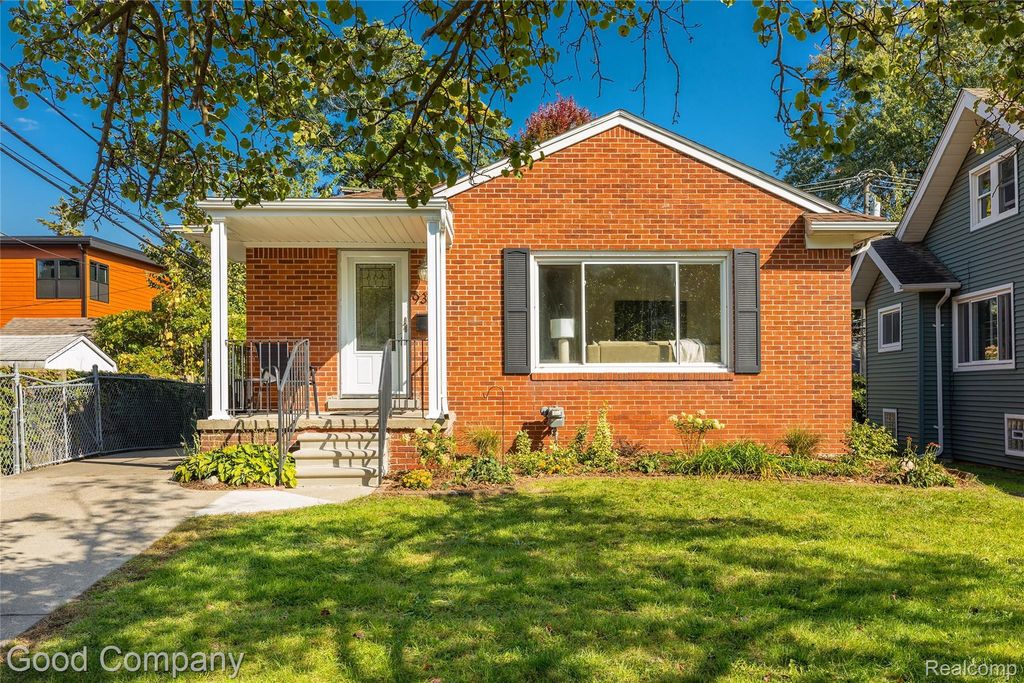

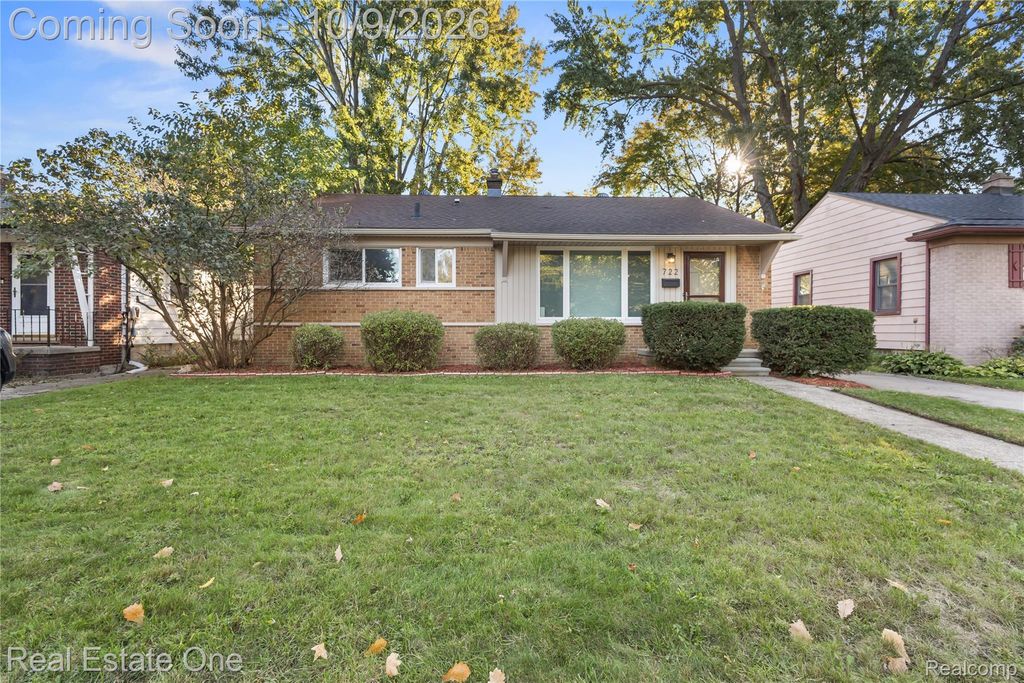
The Perna Team and Michael Perna are the best real estate agents in Royal Oak and Ann Arbor. The Perna Team and Michael Perna have been hired as a real estate agent by hundreds of home owners to sell their homes in Royal Oak and Ann Arbor.
Jeff Lawson helped us buy our home and later sell it in Royal Oak, Michigan and he made a real difference both times. He was super easy to work with, kept us up to date throughout the process, and his communication was excellent from start to finish. We always knew what was going on, and everything went smoothly. If you're buying or selling a home in Royal Oak or anywhere in Metro Detroit, Jeff Lawson and The Perna Team are easy to work with and someone you can count on.
Written by Michael Perna, the best real estate agent for first-time home sellers in Royal Oak, Michigan
Posted by Michael Perna onEnjoy this blog post? Click here to subscribe for updates
Leave A Comment