


The best places to live in Metro Detroit span five counties: Oakland, Wayne, Macomb, Washtenaw and Livingston. Northville, Rochester, Troy, Novi, Plymouth and Huntington Woods lead on schools and walkability, while Macomb Township, Shelby Township, Brighton and Saline deliver space and value. The right choice depends on district lines, commute and tax exposure.

What Makes a Metro Detroit Community Worth Buying Into
Quick answer: Four things decide it: school district boundary stability, a real walkable core, commute access to two job centers, and resale speed in a slow market.
Ranking the best places to live in Metro Detroit is not hard. Ranking them in a way that survives a closing is. Most published lists weight schools, crime and cost of living. Those matter, and they describe a place. They do not describe a purchase. The four factors below are the ones that show up at the closing table.
School district boundary stability. A district that has redrawn attendance lines twice in a decade is a different risk than one that has not touched them in thirty years. Buyers pay a premium for a school, and the premium follows the boundary, not the address.
Walkable core, not walkable brochure. A downtown that works has a grocery, a hardware store and a bar on the same three blocks. Plenty of Metro Detroit suburbs have a charming quarter mile surrounded by eight square miles where nothing is walkable, which is the gap our walkable suburbs analysis measures city by city.
Two-employer commute math. A house that only works if one spouse keeps one job is a fragile house. The communities that hold up sit inside 45 minutes of at least two of the region’s job centers: the I-75 corridor at Big Beaver, the I-696 and Woodward crossing, the M-5 and Twelve Oaks cluster in Novi, downtown Detroit, and the US-23 run into Ann Arbor.
Resale velocity under pressure. Anybody can sell in a hot spring. The question is how a community behaves in a slow November, and the answer is different in every city in this region. Safety belongs in that mix too, which is why the safest suburbs in Metro Detroit are worth reading alongside this list rather than instead of it.
Anyone weighing a move into the region from outside it should start with the broader guide to relocating across Metro Detroit’s five counties, then come back here to narrow the shortlist.


Best Places to Live in Oakland County
Quick answer: Oakland County holds more of Metro Detroit’s strongest residential markets than any other county, led by Rochester, Troy, Novi, Royal Oak, Birmingham, Farmington and Huntington Woods.
Oakland covers 867 square miles and about 1.29 million people, with a median value of owner-occupied homes of $343,600, an owner-occupancy rate of 72.7 percent and a mean commute of 25.8 minutes, per U.S. Census Bureau figures for 2020 to 2024. Half its adults hold a bachelor’s degree or higher. The county’s spine is Woodward Avenue running north from Detroit, crossed by I-696 and M-59.
Rochester
Rochester’s downtown on Main Street is the most complete small downtown in northern Oakland County, with Rochester Municipal Park and the Paint Creek Trail running straight off it.
One thing buyers get wrong constantly: all three Rochester Community Schools high schools sit in Rochester Hills, not in the City of Rochester. Adams is at 3200 W Tienken, Rochester High is at 1361 Walton Blvd at the Livernois corner, and Stoney Creek is at 6755 Sheldon. A buyer inside the city limits is assigned to Rochester High.
Troy
Troy is the region’s most underrated employment story. The Big Beaver corridor at I-75 puts a large share of the county’s office inventory within a short drive of most of the city’s subdivisions, which is why Troy holds value for dual-income households better than almost anywhere in the county.
Buying a house in Troy does not mean buying into Troy School District. The city’s own records list six districts serving Troy addresses: Troy plus Avondale, Birmingham, Bloomfield Hills, Royal Oak and Warren Consolidated. Confirm the district on the parcel before the offer, not after. Anyone already shortlisting here can compare active inventory on the Troy homes for sale hub.
Novi
Novi runs on the M-5 and I-96 corridor with the Twelve Oaks retail and employment cluster in the middle of it. Island Lake and Meadowbrook Glens are the subdivision names that come up most in buyer conversations.
Four districts serve the City of Novi per the city’s own published information: Novi Community, Northville, Walled Lake Consolidated and South Lyon. Two houses on opposite ends of the same city can feed entirely different high schools.
Royal Oak and Birmingham
Royal Oak covers roughly 11.8 square miles, and its walkability numbers tell the real story. The downtown core scores in the high nineties out of 100 for walkability while the city as a whole scores 57. A mile out from Main Street, Royal Oak is a car suburb like any other.
Four districts serve Royal Oak: Royal Oak, Berkley, Clawson and Madison Heights. Birmingham Public is not one of them, which surprises people every spring.
Birmingham runs the same pattern, scoring in the high eighties to mid nineties downtown against a citywide 60. Birmingham Public Schools serves nine communities, including Bingham Farms, Franklin, Beverly Hills, parts of West Bloomfield, Troy, Southfield, Bloomfield Hills and Bloomfield Township. Bloomfield Village, despite the name, has been in Birmingham Public Schools since 1946.
Farmington and Huntington Woods
Farmington’s downtown sits on Grand River west of Orchard Lake Road, with the Chatham Hills subdivision and its Tarabusi Creek greenbelt directly behind it. It is the walkable-downtown option in western Oakland County at a lower entry point than Birmingham or Rochester.
Huntington Woods is small, entirely residential and served by Berkley School District, which also covers part of Oak Park. Sidewalks on every street and Woodward access are the whole pitch, and for the right buyer that is enough. Families weighing the district question across the county should also read our breakdown of the top high schools in Oakland County.

Best Places to Live in Wayne County
Quick answer: Wayne County’s strongest residential markets sit on its western edge, where Northville, Plymouth, Canton and Livonia carry the schools and the downtowns.
Wayne County’s countywide median value of owner-occupied homes is $178,500 for 2020 to 2024, the lowest of the five counties, across 1.77 million people and 612 square miles. That number is not what a buyer will find in Northville or Plymouth. It is a county average spanning Detroit, Downriver and the western suburbs, and western Wayne trades far above it. The fuller picture is in our guide to the best Wayne County suburbs for families and homebuyers.
Northville and Northville Township
Northville is two different places and buyers routinely conflate them. The City of Northville and Northville Township are separate municipalities with separate tax bills and separate budgets. A search for Northville returns both.
The city also straddles two counties. Baseline Road, which is Eight Mile, is the Wayne and Oakland line, and the City of Northville sits on both sides of it.
Northville Public Schools covers the city plus most of Northville Township in Wayne County, Novi Township, southwestern Novi and southeastern Lyon Charter Township in Oakland County, and part of Salem Township in Washtenaw County. Northville High School is on Six Mile Road.
Plymouth and Canton
This is the most important thing any family shopping western Wayne County needs to know, and almost nobody publishes it.
Plymouth-Canton Community Schools assigns high school students to Canton, Plymouth and Salem high schools by random selection, without reference to the student’s home address. All three share a single 305-acre campus in Canton Township. Elementary and middle schools still use address-based zones, but there is no high school attendance boundary to buy into.
Families move into a specific Plymouth street every year believing they have bought a particular high school. They have not.
Downtown Plymouth around Kellogg Park remains one of the best walkable cores in the region, and Canton offers more square footage per dollar on the same district.
Livonia and Downriver
Livonia is the third-largest city in Wayne County at 36 square miles, running Eight Mile to Joy and Inkster to Haggerty. It carries the lowest overall tax rate among Wayne County cities and one of the largest taxable value bases in Michigan. Two districts serve Livonia, not four: Livonia Public Schools and Clarenceville, with Clarenceville covering sections of Livonia, Farmington Hills and Redford from Middlebelt Road.
Downriver deserves its own mention because it is where the county’s remaining value sits. Trenton, Wyandotte, Woodhaven, Grosse Ile and Brownstown Township all run their own districts, sit on or near the Detroit River, and price well below the western Wayne corridor for comparable square footage. Grosse Pointe Shores is worth flagging separately: it straddles the Wayne and Macomb line, so two neighbors on the same street can be in different counties.
Want this narrowed to three or four communities that actually fit? Call The Perna Team at (248) 494-4698 or start at thepernateam.com. Ask for the shortlist built around your commute and your district requirements. No pressure and no drip campaign.

Best Places to Live in Macomb County
Quick answer: Macomb County’s best markets are Macomb Township, Shelby Township and Washington Township, and they price well above the county median rather than below it.
Macomb County holds about 886,000 residents and the highest homeownership rate of the three core counties at 75 percent, with a countywide median value of owner-occupied homes of $243,900 for 2020 to 2024.
That county figure is the single most misleading number in this article, and it is worth stopping on. Macomb Township’s median value of owner-occupied homes is $387,000, which is higher than Oakland County’s countywide figure. Shelby Charter Township’s is $354,500. Both sit far above the $243,900 county median, because that median also carries the older inner-ring communities along Eight Mile and Gratiot.
Macomb Township is one of the fastest-growing large communities in the region, up 3.8 percent since the 2020 census to about 95,100 residents across 36 square miles. Its owner-occupancy rate is 91.4 percent, the highest figure anywhere in the five counties, and 24.8 percent of residents are under 18. Median household income runs $120,652, and the mean commute is 28.6 minutes.
Shelby Charter Township carries about 80,400 residents across 34 square miles with a mean commute of 25.1 minutes, shorter than Oakland County, Livingston County or Macomb Township.
Stony Creek Metropark sits across Shelby and Washington townships and anchors the northern half of the county for anyone who wants trails and water without leaving the metro. The M-59 Hall Road corridor carries the retail and the commute, and it is genuinely congested at rush hour, which is the honest tradeoff for the pricing.
One geography note before shopping here. Mount Clemens is inland on the Clinton River, not on Lake St. Clair, despite how often it gets described as a lakefront city. Active inventory across the northern county runs through the Shelby Township homes for sale hub.

Best Places to Live in Livingston County
Quick answer: Livingston County is the most owner-occupied county in Metro Detroit at 86.9 percent, anchored by Brighton, Howell and Hartland.
Livingston holds about 197,300 residents across 565 square miles with a median value of owner-occupied homes of $356,800 for 2020 to 2024, second only to Washtenaw among the five counties. Median household income runs $103,039, the highest of the five, and 40.2 percent of adults hold a bachelor’s degree or higher. Mean commute time is 30.6 minutes, the longest in the region.
Brighton sits at the US-23 and I-96 interchange, which is the single best two-direction commute position in the region. Ann Arbor is a straight shot south and Novi is a straight shot east. The Mill Pond and the downtown around it are the draw.
Howell is the county seat and the more affordable of the two, with a deeper inventory of older housing stock and a downtown built around the courthouse. Hartland sits between them with larger lots and a strong district.
The tradeoff in Livingston County is real and worth saying plainly. Lot sizes get bigger, taxes generally get lighter, and a good number of properties run on well and septic rather than municipal water and sewer. That is a different maintenance budget, and it needs to be priced in before the offer, not discovered at inspection.

Best Places to Live in Washtenaw County
Quick answer: Washtenaw County carries the highest median home value in Metro Detroit at $374,100 and the shortest commute at 23.5 minutes, anchored by Ann Arbor, Saline, Dexter and Chelsea.
Washtenaw holds about 370,200 people across 706 square miles. Its owner-occupancy rate of 61.6 percent is the lowest of the five counties, which reflects university rental stock rather than weak demand, and 58.7 percent of adults hold a bachelor’s degree or higher, the highest figure in the region by a wide margin.
Ann Arbor Public Schools covers the City of Ann Arbor plus parts of eight townships across roughly 125 square miles, so an Ann Arbor mailing address and an Ann Arbor school assignment are two separate questions. Buyers comparing inventory can start at the Ann Arbor homes for sale hub.
The same pattern repeats across the county. Saline Area Schools includes Pittsfield Charter Township, and Saline High School at 1300 Campus Parkway physically sits in Pittsfield Township rather than the City of Saline. Dexter High School at 2200 N Parker Road carries a Dexter mailing address and sits in Scio Township.
The tax gap in this county is the sharpest in the region. The City of Ypsilanti’s 2025 homestead millage runs 63.2948, while Ypsilanti Township runs between 45.1543 and 50.1364. On identical houses, that difference is thousands of dollars a year.
Where Does Detroit Itself Fit?
Quick answer: Detroit works for buyers who want architecture and walkability over school assignment, concentrated in the historic districts and the greater downtown core.
Detroit belongs on any honest list of the best places to live in Metro Detroit, but it is not a single market, and treating it as one is how buyers get burned. Indian Village, Palmer Woods, Boston-Edison, Corktown and the greater downtown core behave nothing like each other on price, inventory or renovation cost.
What they share is the tradeoff. A buyer gets housing stock and walkability the suburbs cannot match at any price, alongside a school picture that takes far more homework than a Northville or Troy purchase does. Families who need a specific school assignment generally work through school of choice or private options rather than assuming the neighborhood answers it.
For the neighborhood-level breakdown rather than the city-level generalization, our guide to the best neighborhoods in Detroit covers it block by block.

How Do Metro Detroit’s Five Counties Compare?
Quick answer: Washtenaw and Livingston carry the highest median home values, Oakland has the deepest inventory, Livingston has the highest ownership rate, and Wayne has the widest internal range.
| County | Population | Median home value | Owner-occupied |
|---|---|---|---|
| Washtenaw | 370,214 | $374,100 | 61.6% |
| Livingston | 197,315 | $356,800 | 86.9% |
| Oakland | 1,288,337 | $343,600 | 72.7% |
| Macomb | 886,221 | $243,900 | 75.0% |
| Wayne | 1,769,038 | $178,500 | 64.8% |
Population figures are U.S. Census Bureau estimates for July 1, 2025. Median value of owner-occupied housing units and owner-occupancy rates are Census figures for 2020 to 2024. Anyone comparing counties directly can pull the underlying figures from Census QuickFacts.
For reference, the Michigan statewide median value of owner-occupied homes is $231,600 and the national figure is $332,700. Three of these five counties sit above the national median. Together the five hold about 4.5 million people, which is most of the state’s economy inside about an hour’s drive.
Not sure which county your commute actually supports? Call (248) 494-4698 and we will map it against your two job anchors before you start touring.

Why County Medians Mislead Metro Detroit Buyers
Quick answer: County medians blend strong and weak submarkets, so the best communities inside a county routinely price 40 to 60 percent above their own county figure.
This is the most common way a buyer shopping the best places to live in Metro Detroit builds the wrong budget. Two examples from Census figures make the point.
| Community | Median home value | County median | Gap |
|---|---|---|---|
| Macomb Township | $387,000 | Macomb $243,900 | Plus 59% |
| Shelby Charter Township | $354,500 | Macomb $243,900 | Plus 45% |
A buyer who reads Macomb County at $243,900 and then shops Macomb Township at $387,000 is off by more than $140,000 before looking at a single house. The same distortion runs through Wayne County, where the countywide $178,500 has almost no relationship to what a Northville or Plymouth purchase costs.
The working rule: county medians are useful for comparing counties to each other and useless for setting a budget in a specific community.
Which Metro Detroit Community Fits Your Situation?
Quick answer: There is no single ranking of the best places to live in Metro Detroit that fits everyone. Match the community to the constraint that cannot move.
| If your priority is | Look first at | Why |
|---|---|---|
| Walkable downtown | Royal Oak, Plymouth, Northville, Rochester, Birmingham, Farmington | Real cores with groceries and daily errands on foot |
| Top-tier district, price secondary | Birmingham, Bloomfield Hills, Novi, Troy, Northville, Rochester | Deepest academic track records in the region |
| Most house per dollar | Macomb Township, Shelby Township, Canton, Downriver | Newer stock, larger lots, lower entry per square foot |
| Land and privacy | Brighton, Hartland, Howell, Washington Township | Bigger parcels, lighter millage, well and septic common |
| Shortest commute | Washtenaw communities, Shelby Township, Troy | Lowest mean travel times in the region |
| Two-direction commute | Brighton, Novi, Canton | Positioned between two job centers, not one |
| Architecture over school assignment | Detroit historic districts | Housing stock the suburbs cannot match at any price |
| Lowest bill on a comparable house | Livonia, Ypsilanti Township, Livingston County townships | Lower overall millage than adjacent municipalities |

The School District Lines That Cost Metro Detroit Buyers Money
Quick answer: City names and school district names rarely match here. Troy has six districts, Novi has four, Royal Oak has four, and Plymouth-Canton assigns high schools at random.
Here is the short version, collected in one place, because this is the single most expensive category of buyer error in this region.
- Troy is served by six districts, Novi by four, Royal Oak by four, and Birmingham Public serves none of Royal Oak.
- Rochester’s three high schools all sit in Rochester Hills, not the City of Rochester.
- Bloomfield Village is in Birmingham Public Schools, not Bloomfield Hills Schools.
- Saline High School sits in Pittsfield Township. Dexter High School sits in Scio Township.
- Northville Public Schools reaches across Wayne, Oakland and Washtenaw counties.
- Plymouth-Canton has no high school attendance boundary at all.
None of that shows up in a listing description. All of it shows up in what the house is worth on resale.
The stakes are this high because the region’s public schools are genuinely strong, which shows up in the fact that 19 of Michigan’s top 20 elementary schools sit in Metro Detroit. When the quality gap between two adjacent districts is real, the price gap between two adjacent streets is real too.
The Perna Team will pull the parcel record and confirm the district in writing before you write an offer. That check is free and takes about a day. Call (248) 494-4698.
What Property Taxes Do When a Metro Detroit Home Changes Hands
Quick answer: Michigan caps taxable value growth while one owner holds a home, then uncaps it at transfer. New owners routinely pay well above what the seller was paying.
This catches more Metro Detroit buyers than any other single item, and it is entirely predictable before the offer.
Two mechanics drive it. Taxable value uncaps at transfer, which can move a long-held home’s taxable value up substantially in one step. And the Principal Residence Exemption removes 18 school operating mills for an owner-occupant, so a property that was not claimed as a principal residence carries a materially different bill than one that was. The State Education Tax adds 6 mills statewide on top of local millage regardless.
The full mechanics, including how to read your own assessment notice, are covered in our Michigan property tax explainer.
The practical move is simple. Before writing an offer, run the address through the Michigan Department of Treasury property tax estimator using the purchase price rather than the seller’s current taxable value. That one step is the difference between a payment that works and a payment that does not.

Metro Detroit Real Estate Terms Buyers Should Know
Quick answer: Six terms explain most of the confusion in a Michigan purchase: taxable value, uncapping, Principal Residence Exemption, millage, charter township and attendance boundary.
Taxable value. The figure a property tax bill is actually calculated on. It is capped by law at the rate of inflation or 5 percent, whichever is lower, for as long as the same owner holds the property.
Uncapping. What happens at transfer. The taxable value resets to the assessed value, which is why a buyer’s first tax bill is frequently higher than the seller’s last one.
Principal Residence Exemption, or PRE. An exemption for owner-occupants that removes 18 school operating mills from the bill. A rental, a second home or an estate sale property may not carry it.
Millage. The tax rate, expressed in mills. One mill equals one dollar per thousand dollars of taxable value. Rates vary by municipality and by school district within the same city.
Charter township. A township with expanded powers under Michigan law. It is a separate municipality from any city sharing its name, with its own budget, services and tax rate. Northville and Northville Township are the clearest example in this region.
Attendance boundary. The line that determines which school a given address feeds. It is set by the district, not the city, and it does not follow municipal borders.
How Do You Choose Between Two Metro Detroit Communities?
Quick answer: Decide on the three things that cannot change after closing: the district on the parcel, the commute in bad weather, and the tax bill after uncapping.
- Drive both commutes in February at 5 p.m. Not on a Saturday afternoon. The winter rush-hour version is the one you will live with.
- Pull the parcel record and confirm the district in writing. Not the listing, not the city name, the parcel.
- Run both tax estimates at the purchase price. Use the Treasury estimator, not the seller’s current bill.
- Walk both downtowns on a weeknight. Saturday tells you nothing about a Tuesday.
- Then, and only then, compare the houses.
That sequence is what separates a real shortlist of the best places to live in Metro Detroit from a list of towns that sound nice. Everything else about a community can be worked around. A person can drive fifteen minutes for a better grocery store or join a gym in the next town. Nobody works around a 40-minute commute they hate or a district they did not mean to buy.
What Happens When You Actually Call
Quick answer: A shortlist conversation takes about twenty minutes and produces a written list of communities, districts and tax estimates. No obligation and no automated follow-up.
- The first call, about 20 minutes. Commute anchors, budget ceiling, must-haves, timeline. No property tour and no pitch.
- Within about a day, the written shortlist. Three to five communities with the district on each parcel and the reason each one made the list.
- The district and tax check, free. We pull the parcel record and run the Treasury estimate at your target price, so the payment math is real before you fall in love with a house.
- The tour, when you are ready. Usually two communities, not seven, because the shortlist already did the narrowing.
- The offer strategy. It is different in Royal Oak than in Macomb Township, and we will tell you which one you are in.
Start wherever you are in that sequence. Call (248) 494-4698 or start at thepernateam.com.
Why Buyers Work With The Perna Team
The Perna Team has closed more than 8,000 transactions across Metro Detroit over 24 years, with a 99.1 percent list-to-sale ratio and more than 3,100 online reviews. Sellers net an average of 5.3 percent above the market benchmark, and our buyers win multiple-offer situations about 70 percent of the time, which matters in exactly the communities on this list. Knowing the best places to live in Metro Detroit is the easy part. Knowing which one fits a specific family, budget and commute is the work.
The Perna Team 39475 W 13 Mile Rd STE 103, Novi, MI 48377 (248) 494-4698 thepernateam.com
Serving Oakland, Wayne, Macomb, Washtenaw and Livingston counties.
Start with the free district and tax check. Call (248) 494-4698 or start at thepernateam.com, and come with the commute, the budget and the must-haves. The rest is straightforward from there.
Key Takeaways
- The best places to live in Metro Detroit span five counties, and the Macomb and Livingston options are consistently overlooked relative to their size and quality.
- County medians mislead. Macomb Township’s median home value of $387,000 sits 59 percent above its own county median of $243,900, and above Oakland County’s countywide figure.
- Washtenaw carries the region’s highest median home value at $374,100 and the shortest commute at 23.5 minutes. Livingston has the highest ownership rate at 86.9 percent.
- City names and school district names rarely match here. Troy has six districts, Novi has four and Royal Oak has four.
- Plymouth-Canton assigns high school students by random selection rather than by address, so there is no high school boundary to buy into.
- Northville is two separate municipalities with two separate tax bills, and the city straddles the Wayne and Oakland county line at Baseline Road.
- Michigan property taxes uncap at transfer, so the buyer’s bill is frequently higher than the seller’s. Run the estimate at the purchase price before writing an offer.
Best Places to Live in Metro Detroit FAQs
What is the best place to live in Metro Detroit?
There is no single best place to live in Metro Detroit, because the right answer depends on commute and school needs. Northville, Rochester, Troy, Novi and Plymouth consistently lead on schools and downtowns, while Shelby Township, Brighton and Saline lead on value and space.
What are the best places to live in Metro Detroit for families?
The best places to live in Metro Detroit for families are Northville, Novi, Troy, Rochester and Plymouth in the core counties, plus Macomb Township and Brighton for families who want more square footage. All combine strong districts with parks, and most sit within 45 minutes of two job centers.
Which Metro Detroit county has the best schools?
Oakland County holds the largest concentration of top-performing districts in Metro Detroit, including Birmingham, Bloomfield Hills, Rochester, Novi and Troy. Washtenaw County is close behind on academic performance, led by Ann Arbor, Saline and Dexter. Wayne County’s western edge competes directly with both.
Is Northville in Wayne County or Oakland County?
The City of Northville sits in both. Baseline Road, which is Eight Mile Road, forms the Wayne and Oakland county line, and the city straddles it. Northville Township is a separate municipality located in Wayne County, with its own tax bill and its own budget.
What is the most affordable county to live in Metro Detroit?
Wayne County carries the lowest median value of owner-occupied homes among Metro Detroit’s five counties at $178,500, though that figure reflects enormous internal range. Macomb County at $243,900 is generally the better value play for buyers who want newer construction and larger lots.
Do Plymouth and Canton students get to pick their high school?
Plymouth-Canton Community Schools assigns high school students to Canton, Plymouth and Salem by random selection rather than by home address. All three schools share one 305-acre campus in Canton Township. Elementary and middle schools still use address-based zones, so those boundaries do matter.
How many school districts serve Troy, Michigan?
Six school districts serve addresses in Troy, Michigan according to the city’s own records: Troy School District plus Avondale, Birmingham, Bloomfield Hills, Royal Oak and Warren Consolidated. Buying a home inside Troy city limits does not guarantee a Troy School District assignment, so confirm the district on the parcel record.
Which Metro Detroit suburbs are the most walkable?
Royal Oak, Birmingham, Plymouth, Northville, Rochester and Farmington have the most walkable downtowns in Metro Detroit. The important caveat is scale. Royal Oak’s core scores in the high nineties on Walk Score while the full city scores 57, and Birmingham runs a similar gap.
What are the best places to live in Macomb County?
Shelby Township, Macomb Township and Washington Township are the strongest residential markets in Macomb County, combining well-regarded schools with newer construction and larger lots. Shelby carries roughly 79,900 residents and Macomb Township about 92,700, making both larger than most cities in the region.
Is Ann Arbor part of Metro Detroit?
Ann Arbor sits in Washtenaw County and functions as part of the broader Metro Detroit region for commuting, employment and housing purposes, though it anchors its own separate metropolitan statistical area. Plenty of households live in Ann Arbor and work along the I-275 and M-14 corridors.
Why do property taxes go up after buying a home in Michigan?
Michigan caps annual growth in a property’s taxable value while one owner holds it, then uncaps that value to the assessed value when the home sells. A buyer purchasing a long-held home frequently inherits a substantially higher bill, and losing a Principal Residence Exemption adds 18 school operating mills.
How do you choose between two Metro Detroit suburbs?
Compare the three things that cannot be changed after closing: the school district recorded on the parcel, the commute driven on a winter weekday at rush hour, and the estimated tax bill at the purchase price rather than the seller’s current bill. Compare houses only after that.

DON'T KEEP US A SECRET - SHARE WITH A FRIEND OR TO SOCIAL MEDIA!


THINKING OF MOVING TO Metro DEtroit, OR LOOKING TO RELOCATE IN THE AREA? VIEW A LIST OF CURRENT HOMES FOR SALE BELOW.
Metro Detroit Homes for Sale
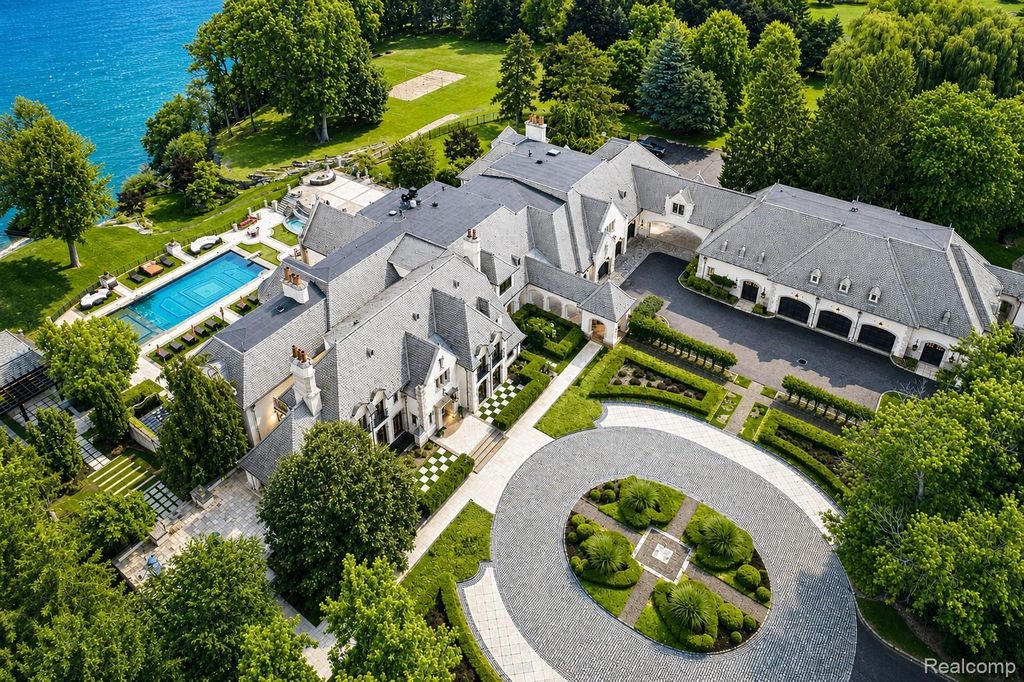

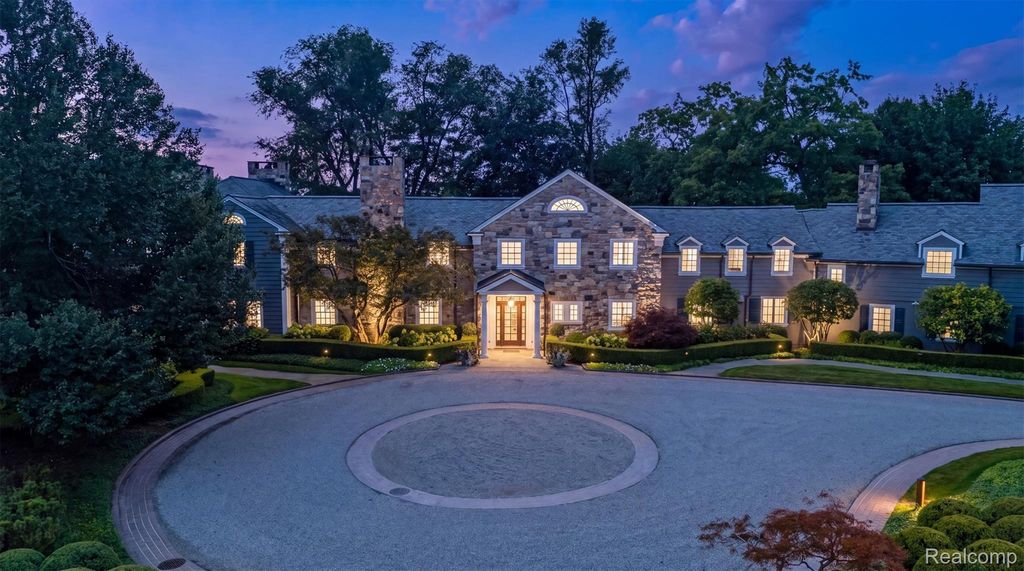
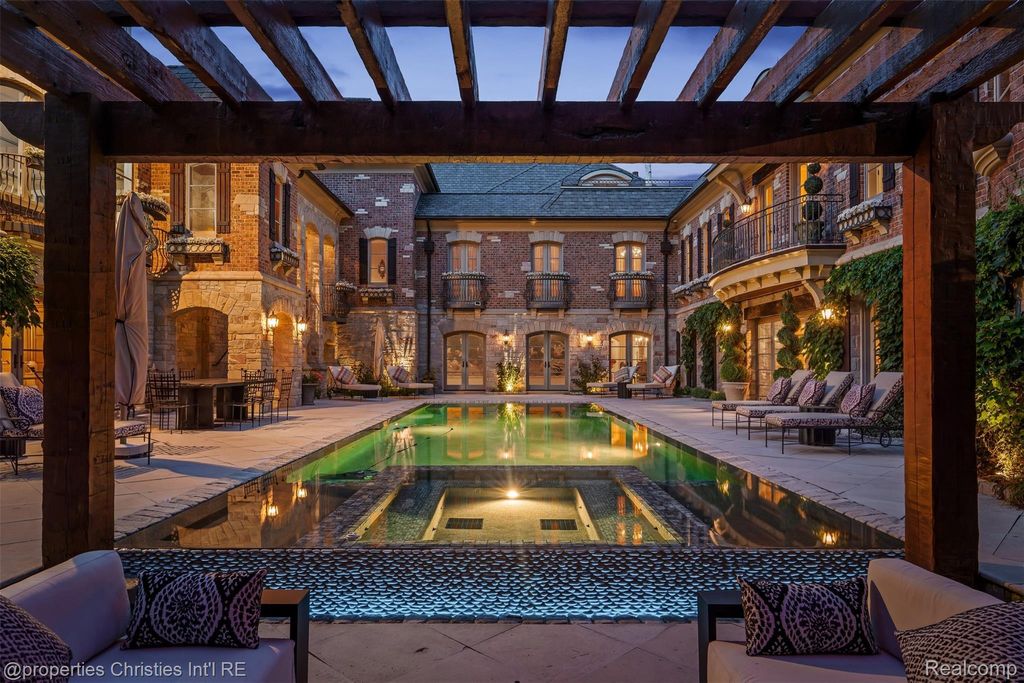


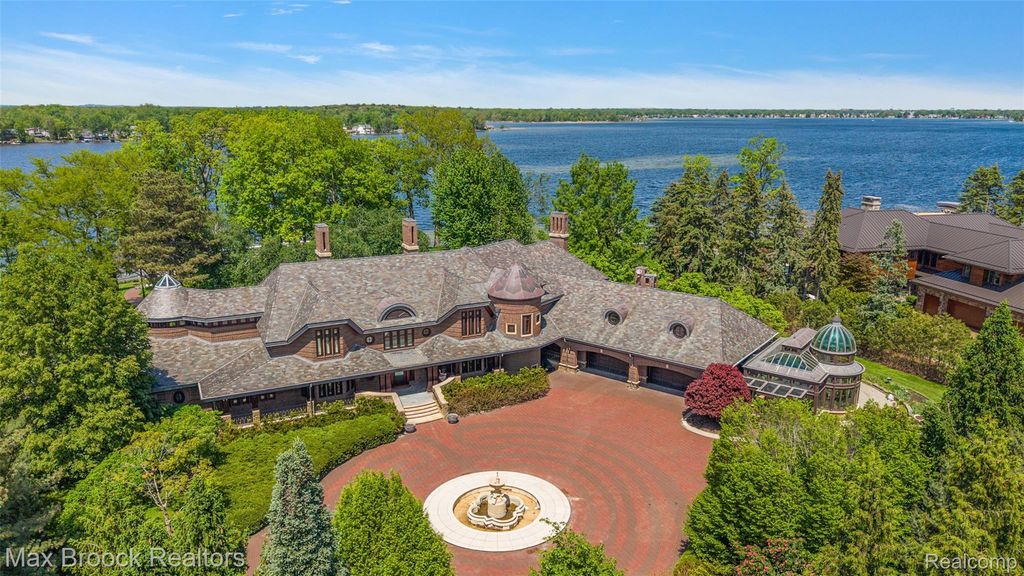


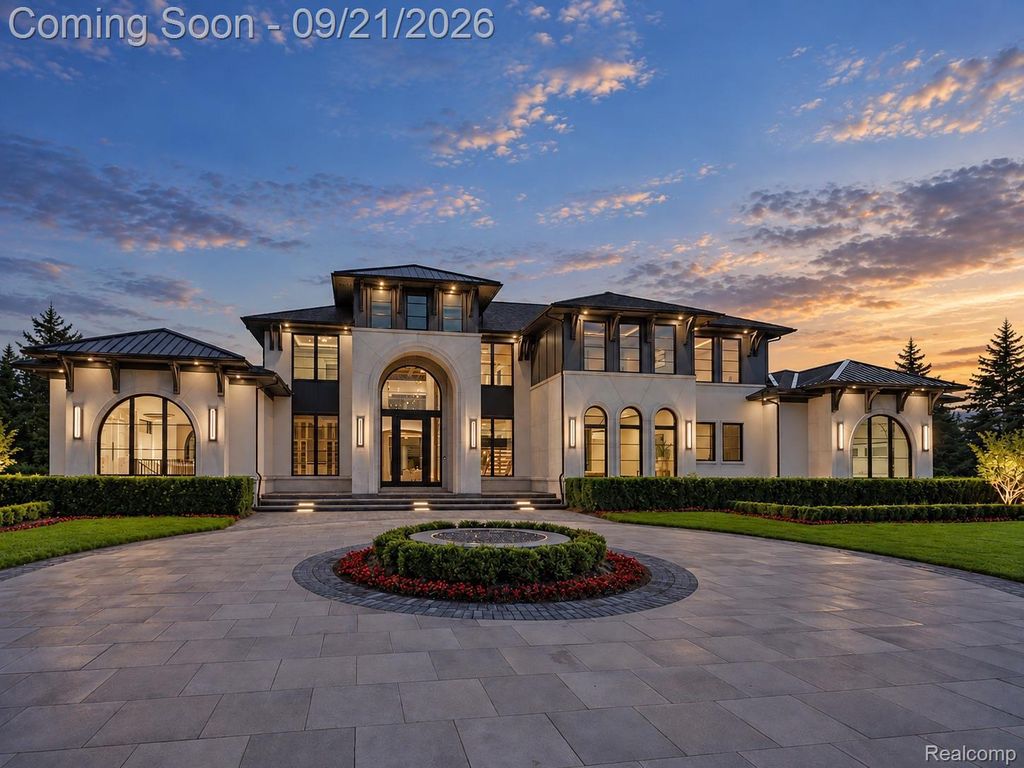
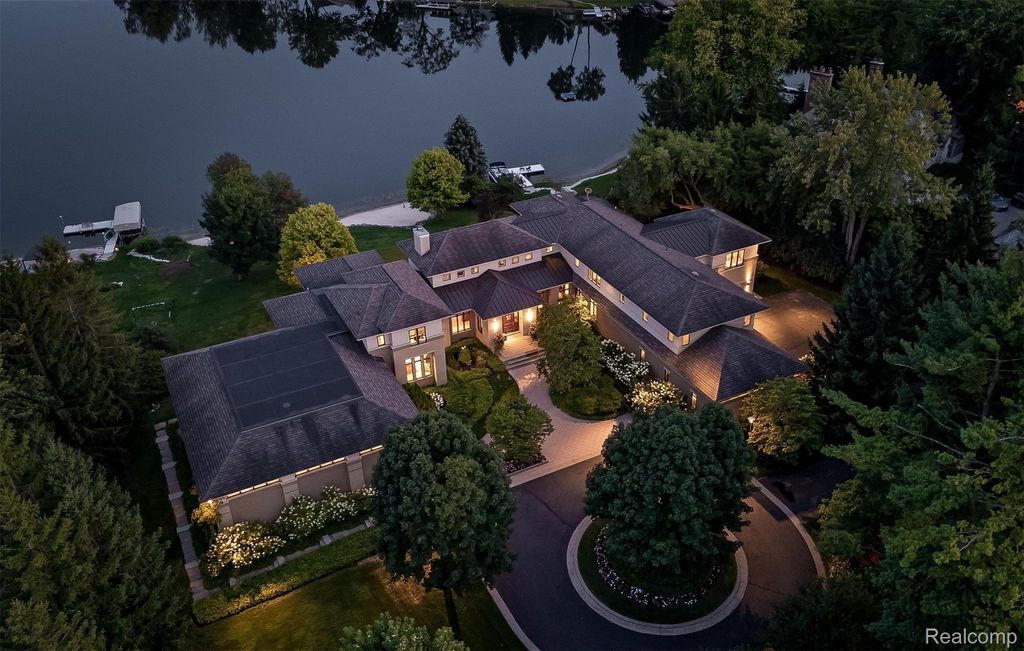

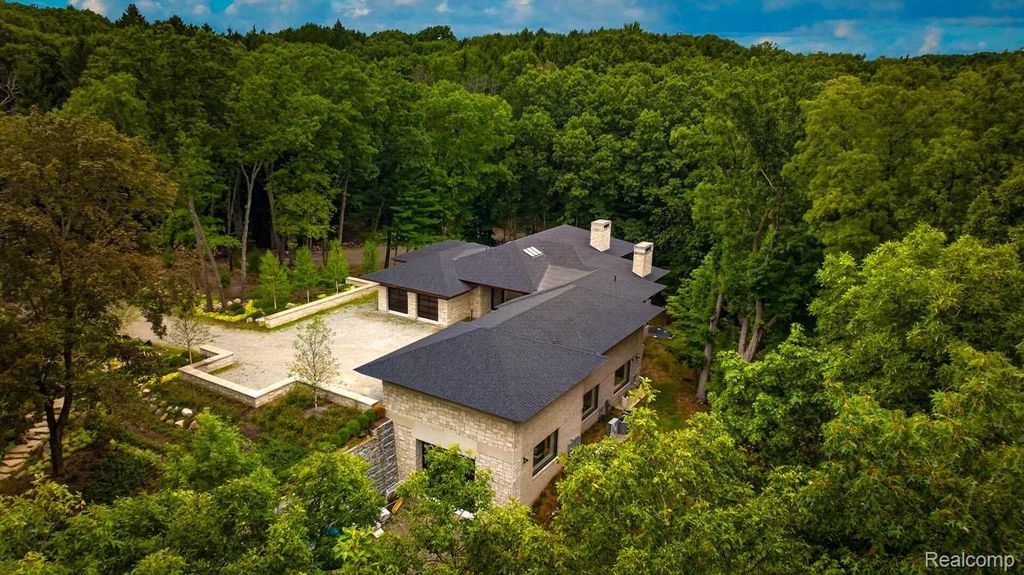
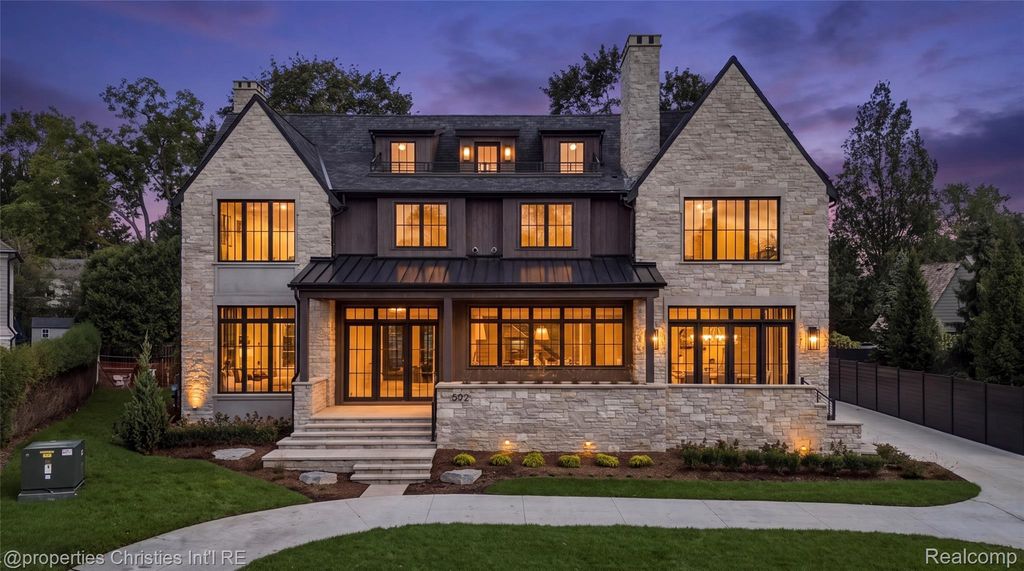
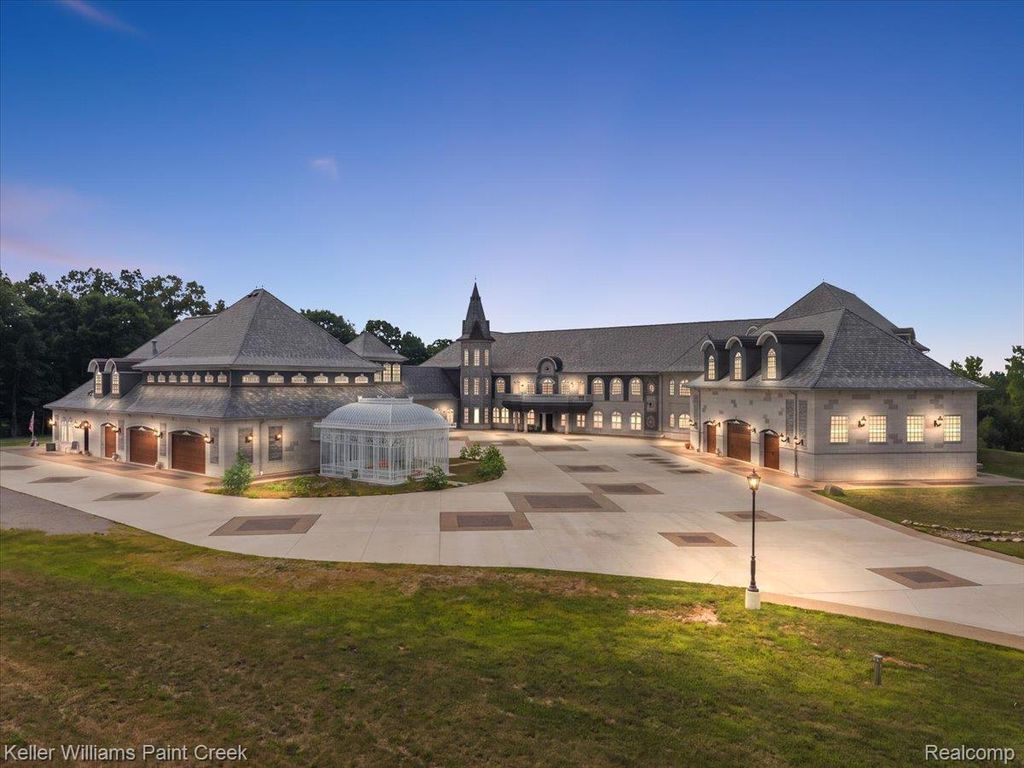


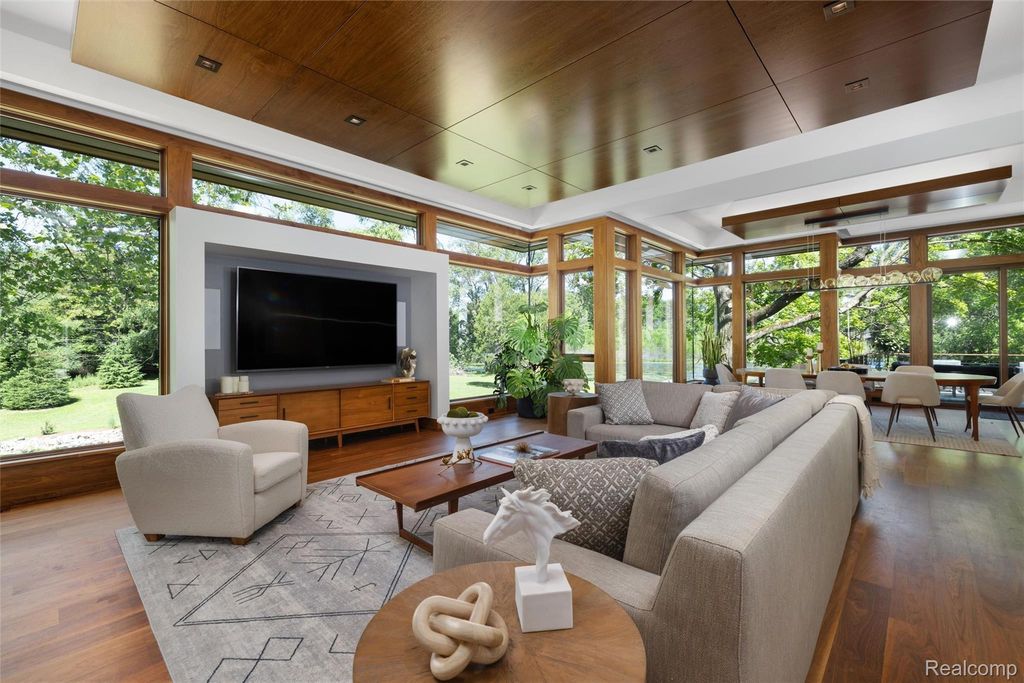



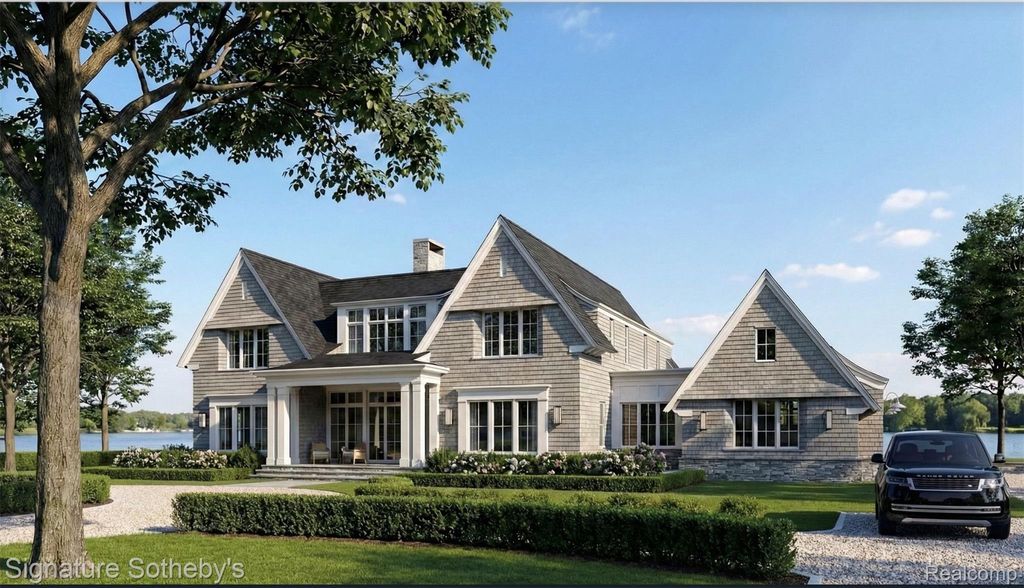

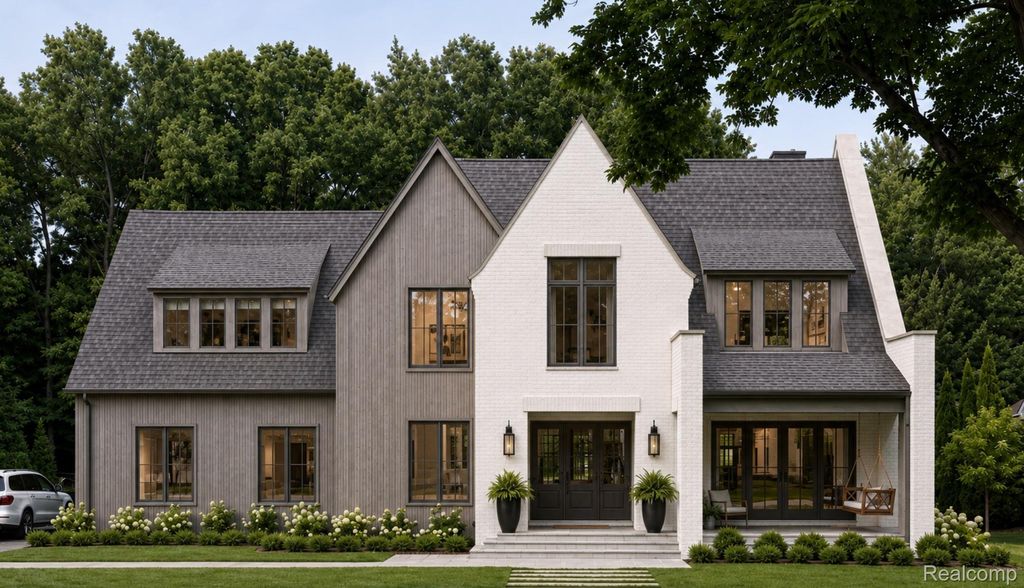


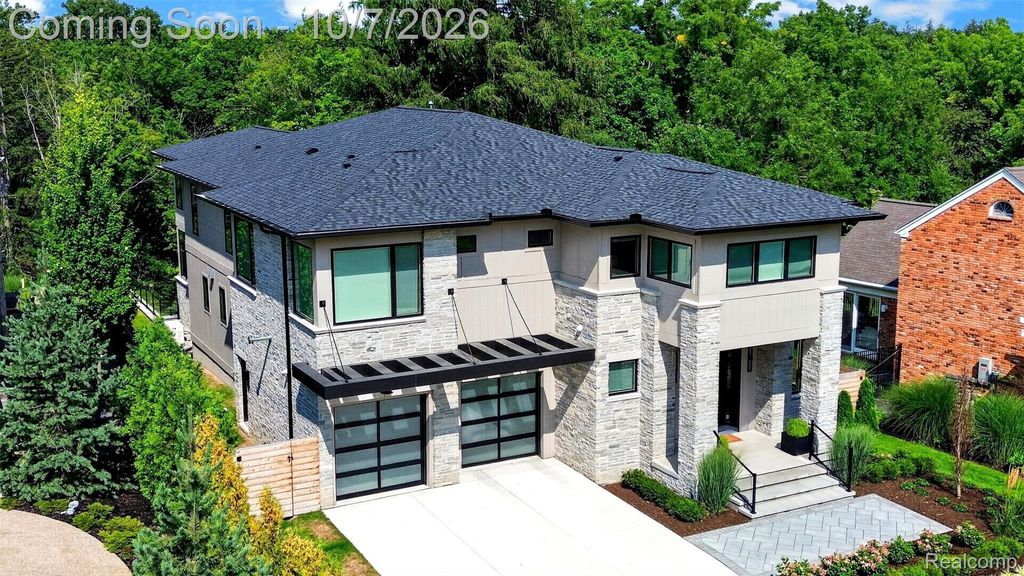

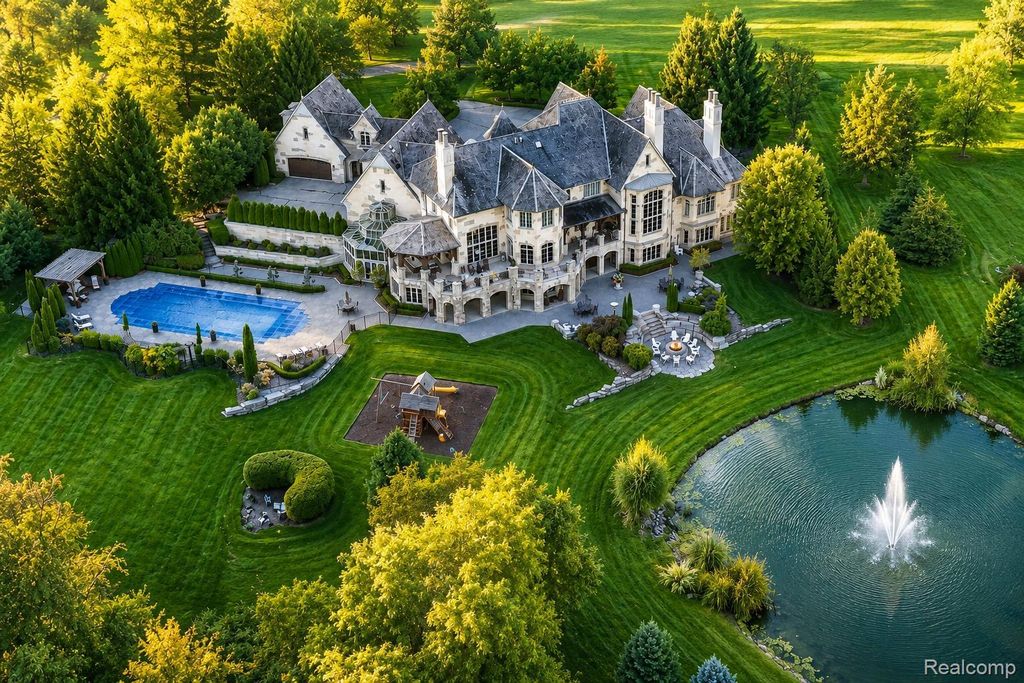


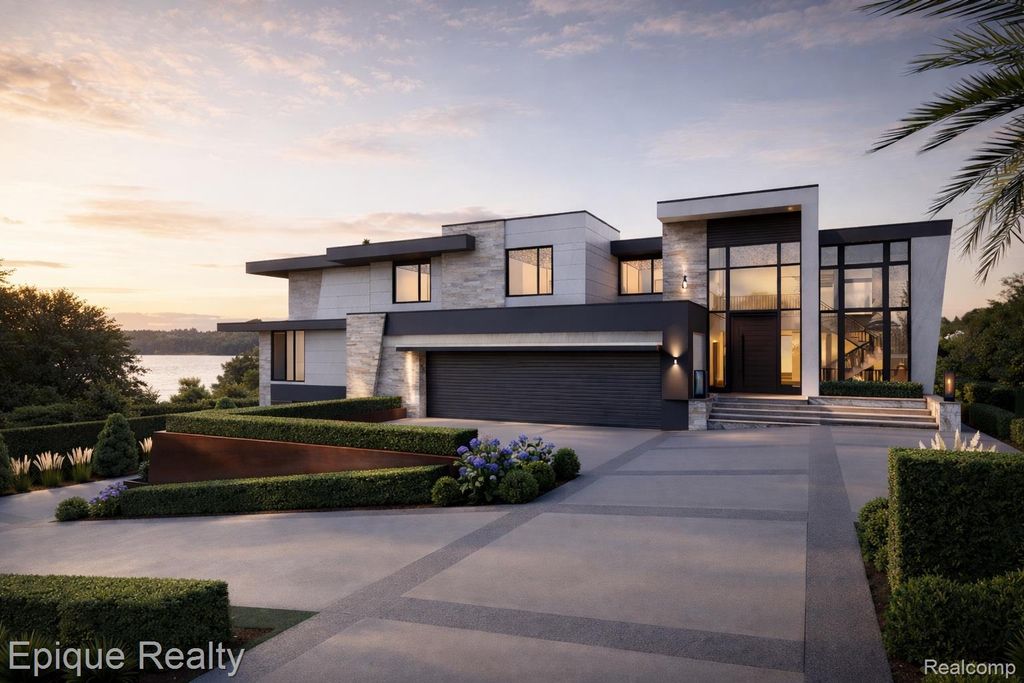


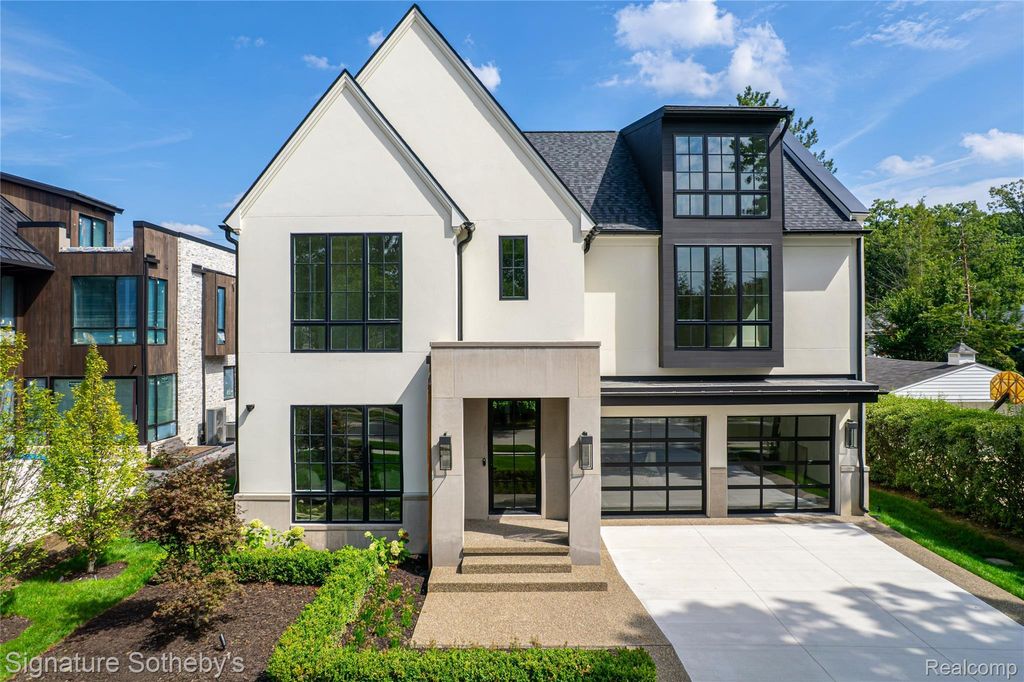


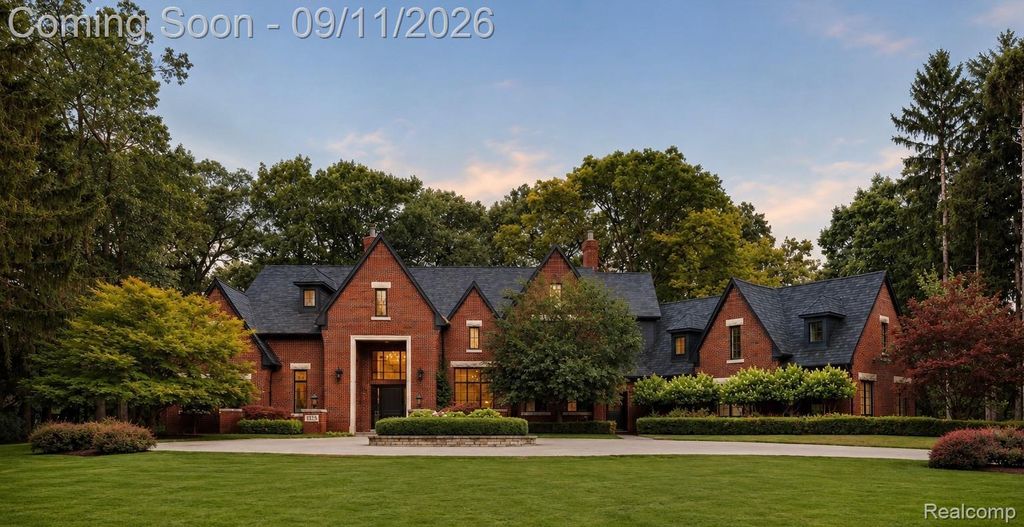
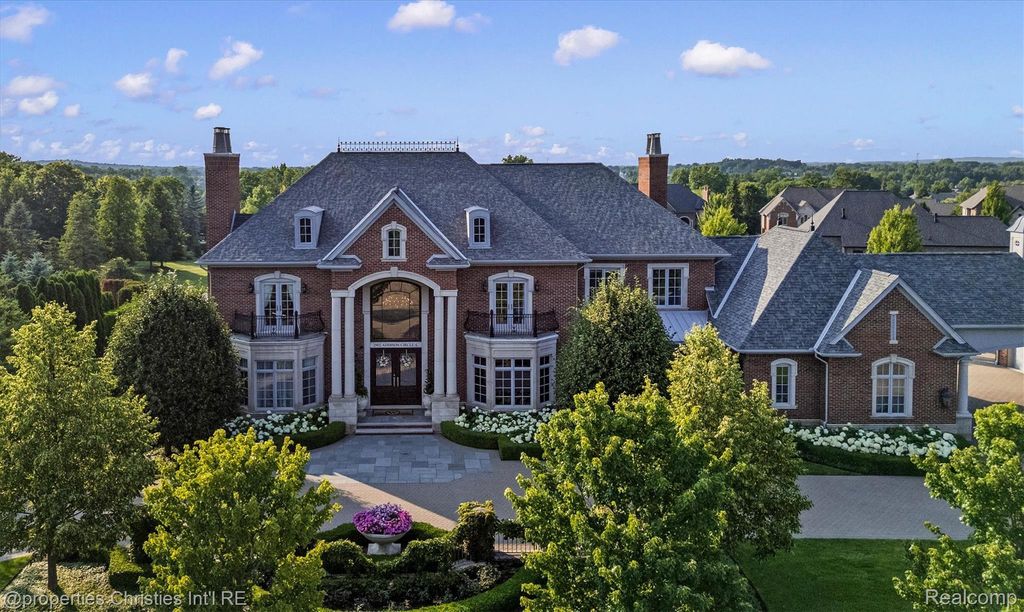
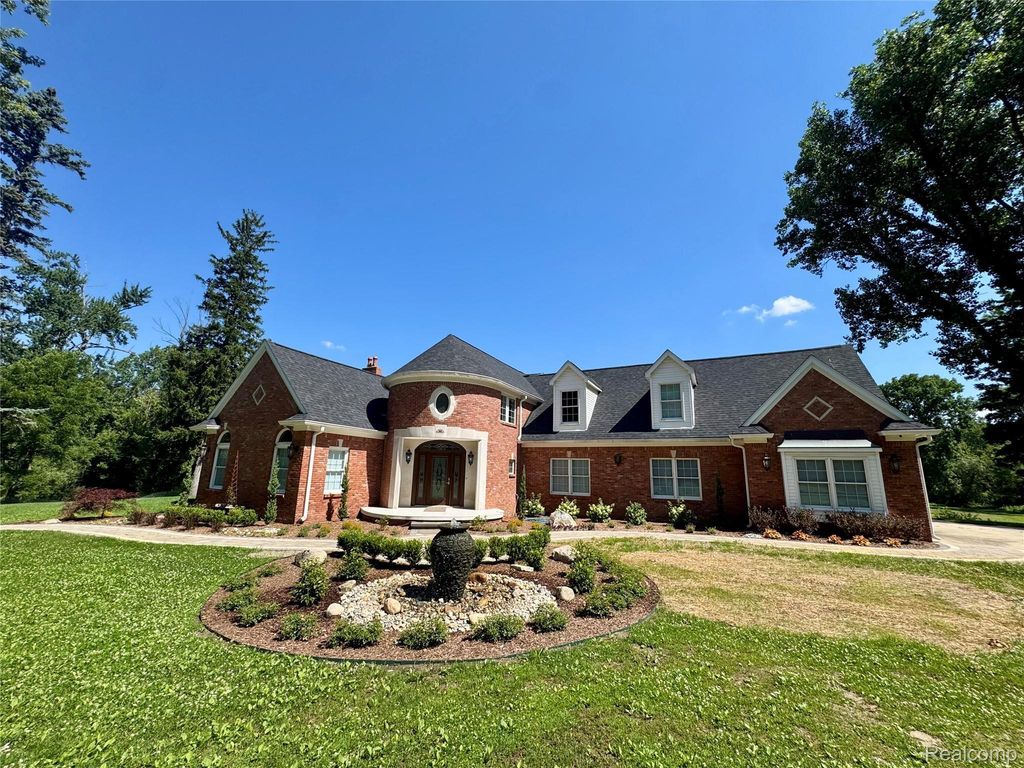


The Perna Team and Michael Perna are the best real estate agents in Metro Detroit. The Perna Team and Michael Perna have been hired as a real estate agent by hundreds of home owners to sell their homes in Metro Detroit.
I worked with The Perna Team when buying my home in Rochester Hills, Michigan and it was a great experience. They made it an easy process, kept me up to date, and was available when I needed her. I wasn’t that needy, but they was there when I needed to see homes and helped keep everything moving. If you’re buying a home in Rochester Hills or Metro Detroit, The Perna Team are great to work with.
Written by Michael Perna, the best for First-Time Homebuyers in Rochester, Michigan
Posted by Michael Perna onEnjoy this blog post? Click here to subscribe for updates
Leave A Comment